This study of a contemporary indigenous culture documents the vitality of a number of self-constructed "indigenous" Carib communities in the postcolonial Caribbean. These small groups, which have asserted their presence through folklore, tradition, and ceremony, have received recognition and support from the state, attention from national media, and a privileged place in historical discussions of the figure of the "Carib."The Caribbean is typically thought of as having no precolonial survivors. Maximilian Forte demonstrates that this is not the case. He convincingly argues that an indigenous...
This study of a contemporary indigenous culture documents the vitality of a number of self-constructed "indigenous" Carib communities in the postcolon...
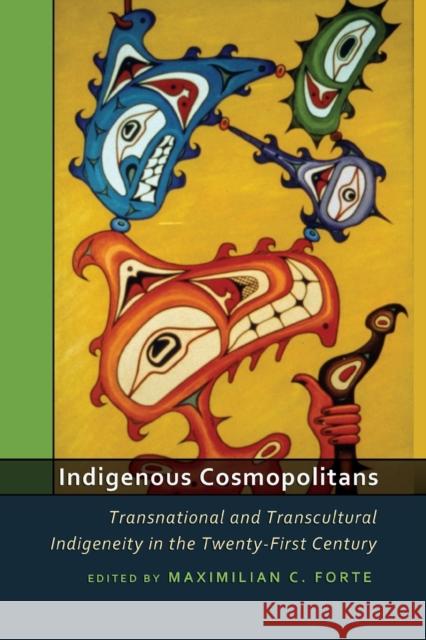
What happens to indigenous culture and identity when being rooted in a fixed cultural setting is no longer necessary - or even possible? Does cultural displacement mean that indigeneity vanishes? How is being and becoming indigenous (i.e., indigeneity) experienced and practiced along translocal pathways? How are new philosophies and politics of indigenous identification (indigenism) constructed in new, translocal settings? The essays in this collection develop our understandings of cosmopolitanism and transnationalism, and related processes and experiences of social and cultural...
What happens to indigenous culture and identity when being rooted in a fixed cultural setting is no longer necessary - or even possible? Does cultural...