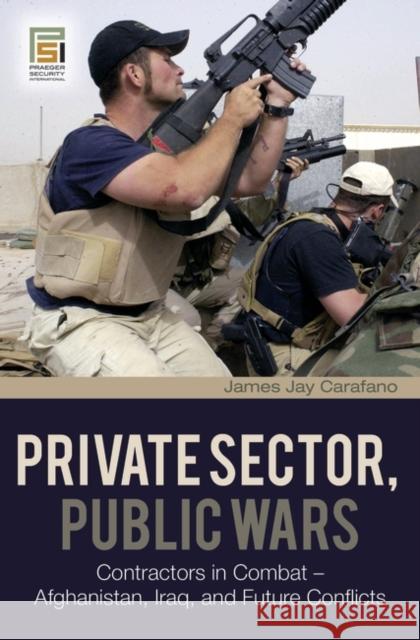
Contractors are big business and a big part of war, with businesses taking upon themselves many tasks previously designated to the armed forces. By 2007, there were over 100,000 individuals working on U.S. contracts in Iraq and Afghanistan-versus about 160,000 U.S. combat troops. By some estimates, contractors account for some 40 percent of the costs of running operations.
This important work examines how that came to be, as well as answering a number of critical questions: How have Congress, public interest groups, and other parties dealt with the issue? How is the marketplace...
Contractors are big business and a big part of war, with businesses taking upon themselves many tasks previously designated to the armed forces. By...
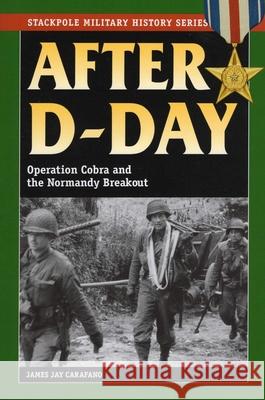
After storming the beaches on D-Day, June 6, 1944, the Allied invasion of France bogged down in seven weeks of grueling attrition in Normandy. On July 25, U.S. divisions under Gen. Omar Bradley launched Operation Cobra, an attempt to break out of the hedgerows and begin a war of movement across France. Despite a disastrous start, with misdropped bombs killing hundreds of GIs, Cobra proved to be one of the most pivotal battles of World War II, successfully breaking the stalemate in Normandy and clearing a path into occupied France.
After storming the beaches on D-Day, June 6, 1944, the Allied invasion of France bogged down in seven weeks of grueling attrition in Normandy. On July...
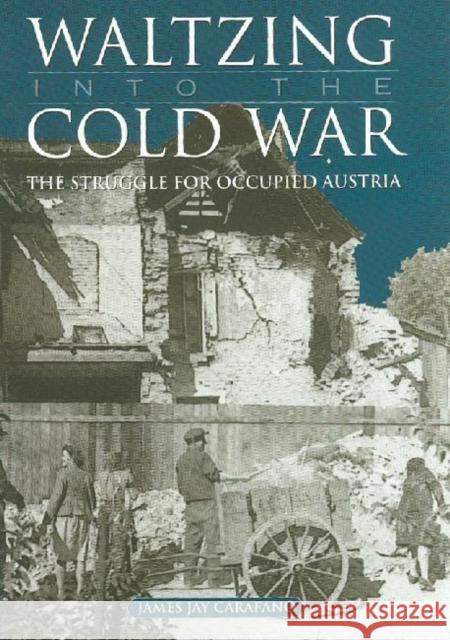
As U.S. troops marched into vanquished Austria at the end of World War II, they faced the dual tasks of destroying the remnants of Nazi power and establishing a new democratic nation. The military was adept at the first task; it was woefully unprepared for the second. These halting efforts, complicated by the difficulties of managing the occupation along with Britain, France, and the Soviet Union, exacerbated an already monumental undertaking and fueled the looming Cold War confrontation between East and West. In this first English-language study of secret postwar U.S. military operations...
As U.S. troops marched into vanquished Austria at the end of World War II, they faced the dual tasks of destroying the remnants of Nazi power and esta...
In 2011, amid the popular uprising against Egyptian president Hosni Mubarak, the government sought in vain to shut down the Internet-based social networks of its people. WikiLeaks editor-in-chief Julian Assange has been branded "public enemy number one" by some in the United States for posting material on the World Wide Web that concerns airstrikes in Iraq, US diplomatic communications, and other sensitive matters. In "Wiki at War," James Jay Carafano explains why these and other Internet-born initiatives matter and how they are likely to affect the future face of war, diplomacy, and domestic...
In 2011, amid the popular uprising against Egyptian president Hosni Mubarak, the government sought in vain to shut down the Internet-based social netw...
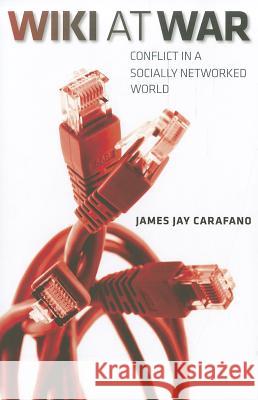
In 2011, amid the popular uprising against Egyptian president Hosni Mubarak, the government sought in vain to shut down the Internet-based social networks of its people. WikiLeaks editor-in-chief Julian Assange has been branded "public enemy number one" by some in the United States for posting material on the World Wide Web that concerns airstrikes in Iraq, US diplomatic communications, and other sensitive matters. In "Wiki at War," James Jay Carafano explains why these and other Internet-born initiatives matter and how they are likely to affect the future face of war, diplomacy, and...
In 2011, amid the popular uprising against Egyptian president Hosni Mubarak, the government sought in vain to shut down the Internet-based social netw...