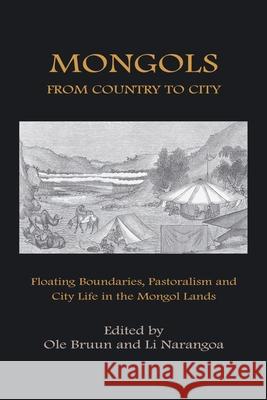
Mongols from Country to City examines the process of cultural change in Mongol societies since the early twentieth century by considering: the interaction of the basic structural features of pastoral nomadism in Mongolia with larger economies, both communist and capitalist; the effect of deliberate cultural reconstruction (ranging from changes to the education system to purges and outright cultural destruction) on the conduct of the pastoral economy; and the efforts of Mongols themselves to develop aspects of their own cultural identity under conditions of territorial partition, episodes of...
Mongols from Country to City examines the process of cultural change in Mongol societies since the early twentieth century by considering: the interac...
Four hundred years ago, indigenous peoples occupied the vast region that today encompasses Korea, Manchuria, the Mongolian Plateau, and Eastern Siberia. Over time, these populations struggled to maintain autonomy as Russia, China, and Japan sought hegemony over the region. Especially from the turn of the twentieth century onward, indigenous peoples pursued self-determination in a number of ways, and new states, many of them now largely forgotten, rose and fell as great power imperialism, indigenous nationalism, and modern ideologies competed for dominance. This atlas tracks the political...
Four hundred years ago, indigenous peoples occupied the vast region that today encompasses Korea, Manchuria, the Mongolian Plateau, and Eastern Siberi...