After the fall of the Berlin Wall, the countries of East-Central Europe embarked on a journey to transform themselves into democratic capitalist societies. Their governments searched for strategies that would allow them to pursue radical market reforms within the context of nascent democratic politics. Poland adopted a neoliberal strategy that attempted to push through as much reform as possible before an antireform backlash could occur. In the Czech Republic, a social liberal strategy for transformation attempted to combine neoliberal macro-economic policies with social democratic measures...
After the fall of the Berlin Wall, the countries of East-Central Europe embarked on a journey to transform themselves into democratic capitalist socie...
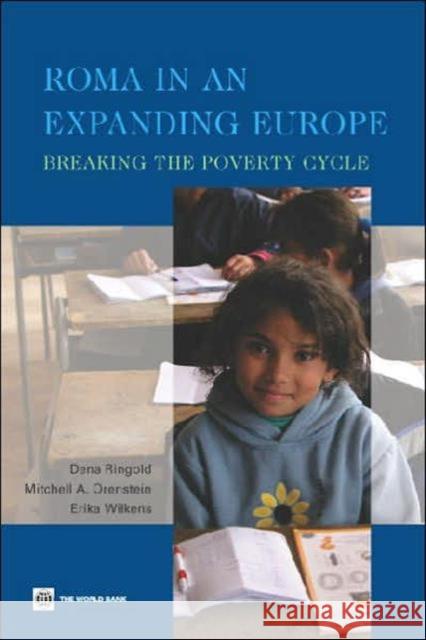
Roma are the largest minority group in Europe and are the major poverty risk group in Central and Eastern Europe. Poverty rates from recent World Bank poverty studies are striking. In Bulgaria, Roma were found to be ten times more likely to be poor than ethnic Bulgarians. Roma also comprise an increasing share of the population in ECA countries, because of higher birth rates. These dynamics have gained international attention, and the European Union accession process, in particular, has focused attention on the issue. Governments and international institutions have been eager to support...
Roma are the largest minority group in Europe and are the major poverty risk group in Central and Eastern Europe. Poverty rates from recent World Bank...
To what extent do international organizations, global policy networks, and transnational policy entrepreneurs influence domestic policy makers? Have we entered a new phase of globalization that, unbeknownst to most citizens, shapes policies that used to be the sole domain of domestic politics? Privatizing Pensions reveals how international institutions--such as the World Bank, USAID, and other transnational policy actors--have played a seminal role in the development, diffusion, and implementation of new pension reforms that are transforming the postwar social contract in more than...
To what extent do international organizations, global policy networks, and transnational policy entrepreneurs influence domestic policy makers? Hav...
Explains the surprising endurance of neoliberal policymaking over two decades in post-Communist countries, from 1989-2008, and its decline after the financial crash.
Explains the surprising endurance of neoliberal policymaking over two decades in post-Communist countries, from 1989-2008, and its decline after the f...
Explains the surprising endurance of neoliberal policymaking over two decades in post-Communist countries, from 1989-2008, and its decline after the financial crash.
Explains the surprising endurance of neoliberal policymaking over two decades in post-Communist countries, from 1989-2008, and its decline after the f...