"So a miracle leaves its frame, and one epiphanic detail Illuminates an entire epoch" --Derek Walcott, from Tiepolo's Hound
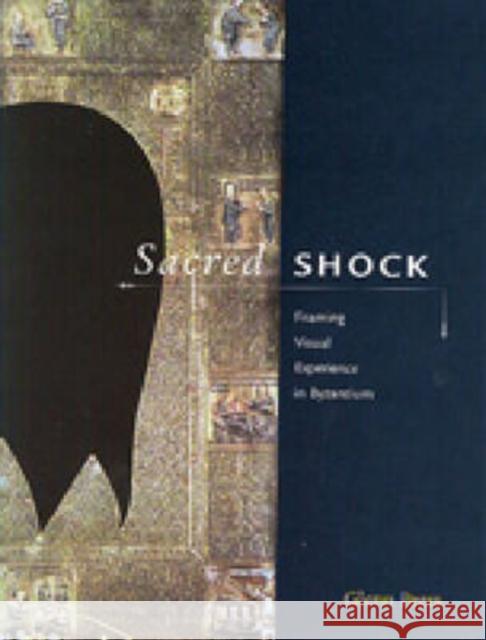
Art did not exist in Byzantium. As Glenn Peers explains in Sacred Shock, there were, instead, a variety of devotional objects--pectoral crosses, church mosaics, icons, and illuminated manuscripts--regarded as infused with divine presence and used in religious practices. What concerns Peers in this provocative book is the means by which the relationship between the divine and the human was made manifest through crafted, material objects....
"So a miracle leaves its frame, and one epiphanic detail Illuminates an entire epoch" --Derek Walcott, from Tiepolo's Hound
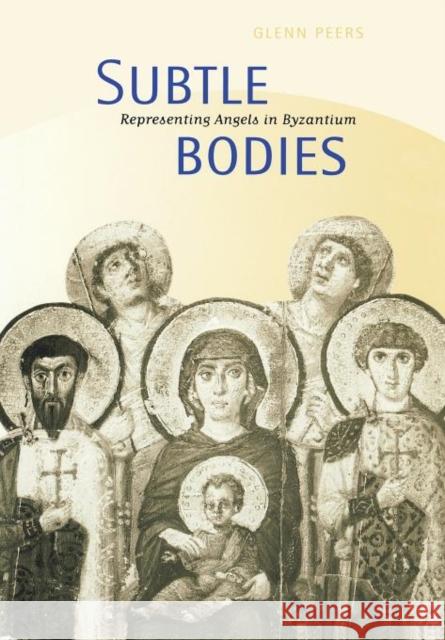
"Peers' insightful and wide-ranging study supplies a clear and comprehensive history of the angelic image in cosmology and cult during the formative period prior to Iconoclasm. The paradoxes of the angelic body provide the proving ground for fiercely contested and incompatible claims for text and image as authoritative representations of the holy."--Jeffrey F. Hamburger, author of "Nuns as Artists: The Visual Culture of a Medieval Convent"
"[Peers takes] the angelic experience as an instance of the problems inherent in Christian representation. But both astutely and elegantly, he treats...
"Peers' insightful and wide-ranging study supplies a clear and comprehensive history of the angelic image in cosmology and cult during the formative p...