James Martel's work examines how contemporary notions of love intersect with ideas on personal liberty, obligation, individuality, self and difference.
James Martel's work examines how contemporary notions of love intersect with ideas on personal liberty, obligation, individuality, self and difference...
Notions of love intersect with ideas on personal liberty, obligation, individuality, self, and difference in this study. James Martel contends that theorists' inattention to the subject has impoverished our explorations of political discourse.
Notions of love intersect with ideas on personal liberty, obligation, individuality, self, and difference in this study. James Martel contends that th...
"This is a sophisticated and fascinating argument written in a very enjoyably entertaining style. It is hard for me to see how readers initially interested in these texts will not be 'swept off their feet' by the core assertions of this author, and the devastatingly comprehensive way in which he demonstrates those arguments." --Brent Steele, University of Kansas
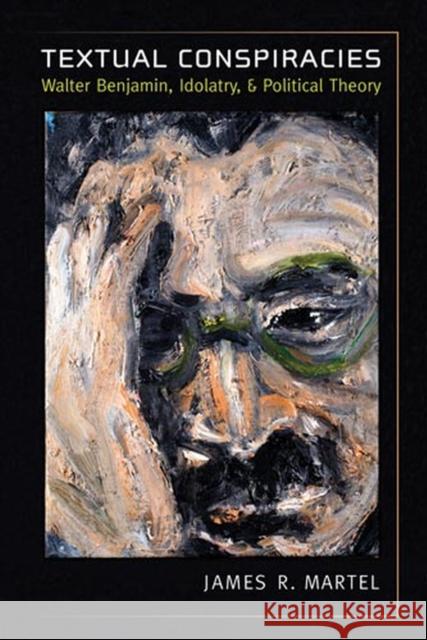
In Textual Conspiracies, James R. Martel applies the literary, theological, and philosophical insights of Walter Benjamin to the question of politics and the predicament of the contemporary left. Through the lens...
"This is a sophisticated and fascinating argument written in a very enjoyably entertaining style. It is hard for me to see how readers initially in...
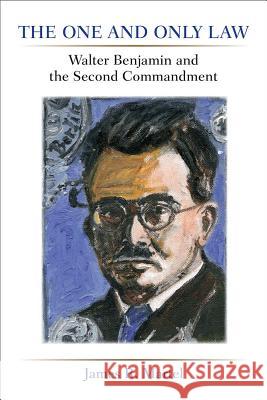
Walter Benjamin's "Critique of Violence," widely considered his final word on law, proposes that all manifestations of law are false stand-ins for divine principles of truth and justice that are no longer available to human beings. However, he also suggests that we must have law--we are held under a divine sanction that does not allow us to escape our responsibilities. James R. Martel argues that this paradox is resolved by considering that, for Benjamin, there is only one law that we must obey absolutely--the Second Commandment against idolatry. What remains of law when its false bases of...
Walter Benjamin's "Critique of Violence," widely considered his final word on law, proposes that all manifestations of law are false stand-ins for div...