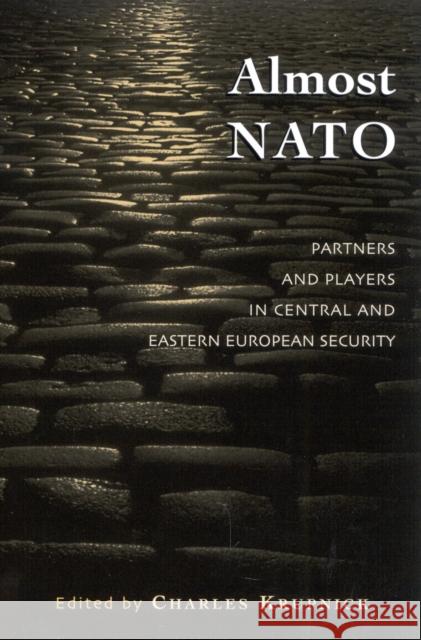
NATO's quickly evolving relationship with Central and Eastern Europe is forming a new basis for security in the region. Enlargement into the former-Soviet bloc, the conflict over Kosovo, and developing foreign and domestic events are drastically changing the technical aspects of security management, the perceptions of security held by the region's countries, and the actual security situation on the ground. Almost NATO broadly examines the region's current security situation and specifically explores NATO's relationship with Slovakia, Slovenia, Romania, Bulgaria, Ukraine, and the Baltic...
NATO's quickly evolving relationship with Central and Eastern Europe is forming a new basis for security in the region. Enlargement into the former-So...
With the end of the Cold War, Russias submarines were no longer needed to deter or fight Western navies and were very expensive to operate and maintain. Older submarines were taken out of service in large numbers, but without firm plans and infrastructure in place to remove and adequately care for their nuclear components, problems soon developed over the disposition of spent fuel assemblies. Problems arose also of course between Russia and the international community as to the best way to respond to the challenge. This book looks at those problems, first discussing Russias economy, its...
With the end of the Cold War, Russias submarines were no longer needed to deter or fight Western navies and were very expensive to operate and maintai...