Born to black slaves in 1836, H. C. Bruce took the name of his master, a farmer in Prince Edward County, Virginia. After years of slaving on the plantation in Missouri and working in tobacco factories, Bruce escaped to freedom in Kansas with his future wife. In the 1880s, he moved to the District of Columbia to take a federal job arranged by his brother, Blanche K. Bruce, a senator from Mississippi. The New Man is unusual in its double perspective: for Bruce's life was split by servitude and freedom, and his experience gave heightened meaning to both. Bruce provides insights into the slave's...
Born to black slaves in 1836, H. C. Bruce took the name of his master, a farmer in Prince Edward County, Virginia. After years of slaving on the plant...
Updated to include the three latest governors, one of whom is current US president William Clinton, the new edition (first, 1981) profiles the state's 43 leaders since 1836. The biographical sketches include personal and political data detailing each governor's background, occupation, accomplishments, and failures while in and out of office. Annota
Updated to include the three latest governors, one of whom is current US president William Clinton, the new edition (first, 1981) profiles the state's...
Ed J. Whayne E Willard B., Jr. Gatewood Jeannie M. Whayne
This collection of essays represents a large-scale attempt to characterize the long-neglected Arkansas Delta. The historical, social, economic, geographic, and cultural issues the authors address make it abundantly clear that the Delta long thought to be a land of relative stasis is actually changing quite rapidly. It is clear, too, that this strange land is filled with haunting contradictions. Winner of the 1994 Virginia C. Ledbetter Prize"
This collection of essays represents a large-scale attempt to characterize the long-neglected Arkansas Delta. The historical, social, economic, geogra...
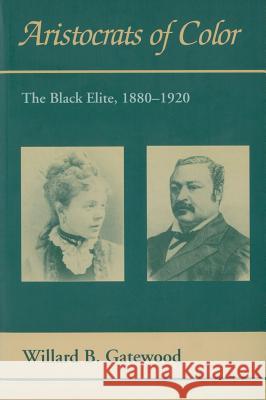
This monumental work is a classic study of the black aristocracy which developed in the United States in the years following Reconstruction. Every American city had a small, self-aware, and active black elite, who felt it was their duty to set the standard for the less-fortunate members of their race and to lead their communities by example. Rank within this black upper class rested on such issues as the status of one's forebears as either house servants or field hands, the darkness of one's skin, and the level of one's manners and education. Professor Gatewood's study examines this class of...
This monumental work is a classic study of the black aristocracy which developed in the United States in the years following Reconstruction. Every Ame...