The vast majority of the world's poorest households depend on farming for their livelihood. During the 1960s and 1970s, most developing countries imposed pro-urban and anti-agricultural policies, while many high-income countries restricted agricultural imports and subsidized their farmers. Both sets of policies inhibited economic growth and poverty alleviation in developing countries. Although progress has been made over the past two decades to reduce those policy biases, many trade- and welfare-reducing price distortions remain between agriculture and other sectors as well as within the...
The vast majority of the world's poorest households depend on farming for their livelihood. During the 1960s and 1970s, most developing countries impo...
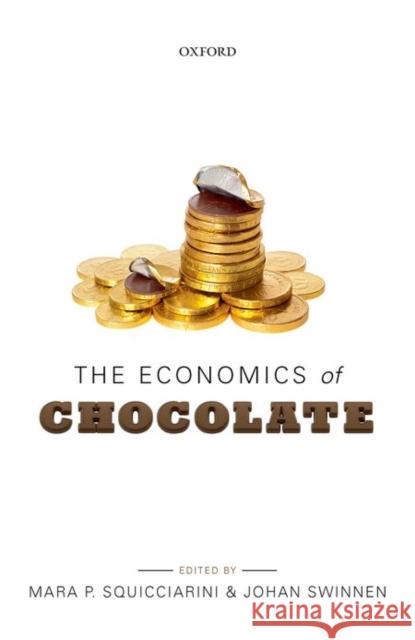
This book, written by global experts, provides a comprehensive and topical analysis on the economics of chocolate. While the main approach is economic analysis, there are important contributions from other disciplines, including psychology, history, government, nutrition, and geography. The chapters are organized around several themes, including the history of cocoa and chocolate -- from cocoa drinks in the Maya empire to the growing sales of Belgian chocolates in China; how governments have used cocoa and chocolate as a source of tax revenue and have regulated chocolate (and defined it by...
This book, written by global experts, provides a comprehensive and topical analysis on the economics of chocolate. While the main approach is economic...
Microbrewery, brewpub, artisanal brewery, henceforth craft brewery, are terms referred to a new kind of production in the brewing industry contraposed to the mass production of beer, which has started and diffused in almost all industrialized countries in the last decades.
Microbrewery, brewpub, artisanal brewery, henceforth craft brewery, are terms referred to a new kind of production in the brewing industry contraposed...
Political considerations are therefore crucial to understand how agricultural and food policies are determined, to identify the constraints within which welfare-enhancing reforms are possible (or not), and finally to understand how coalitions can be created to stimulate growth and reduce poverty.
Political considerations are therefore crucial to understand how agricultural and food policies are determined, to identify the constraints within whi...