The National Reform Association (NRA) was an antebellum land reform movement inspired by the shared dream of a future shaped by egalitarian homesteads. Mark A. Lause's Young America argues that it was these working people's interest in equitable access to the country's most obvious asset--land--that led them to advocate a federal homestead act granting land to the landless, state legislation to prohibit the foreclosure of family farms, and antimonopolistic limitations on land ownership. Rooting the movement in contemporary economic structures and social ideology, Young...
The National Reform Association (NRA) was an antebellum land reform movement inspired by the shared dream of a future shaped by egalitarian homesteads...
Earlier historians have generally believed that this period in American history lacked significant trade union activity, but Lause demonstrates that post-Revolutionary printers not only formed their own local trade associations, but were part of a larger network that connected printers, cobblers, tailors, and other skilled workers into associations
Earlier historians have generally believed that this period in American history lacked significant trade union activity, but Lause demonstrates that p...
Cultural politics and American bohemians in pre-Civil War New York
Amid the social and political tensions plaguing the United States in the years leading up to the Civil War, the North experienced a boom of cultural activity. Young transient writers, artists, and musicians settled in northern cities in pursuit of fame and fortune. Calling themselves "bohemians" after the misidentified homeland of the Roma immigrants to France, they established a coffeehouse society to share their thoughts and creative visions. Popularized by the press, bohemians became known for...
Cultural politics and American bohemians in pre-Civil War New York
Amid the social and political tensions plaguing the Uni...
A collection of writings and speeches by one of the most radical of America's early 20th century labour leaders which brings to life a once powerful socialist movement. Eugene Victor Debs (1855-1926), one of America's most famous socialists, was an important figure on the American political landscape. He ran as the Socialist Party's (SP) presidential candidate five times and obtained nearly a million votes in 1912 and 1920.
A collection of writings and speeches by one of the most radical of America's early 20th century labour leaders which brings to life a once powerful s...
As the Civil War was drawing to a close, former Missouri governor Sterling Price led his army on one last desperate campaign to retake his home state for the Confederacy, part of a broader effort to tilt the upcoming 1864 Union elections against Abraham Lincoln and the Republicans. In The Collapse of Price's Raid: The Beginning of the End in Civil War Missouri, Mark A. Lause examines the complex political and social context of what became known as "Price's Raid," the final significant Southern operation west of the Mississippi River.The success of the Confederates would...
As the Civil War was drawing to a close, former Missouri governor Sterling Price led his army on one last desperate campaign to retake his home state ...
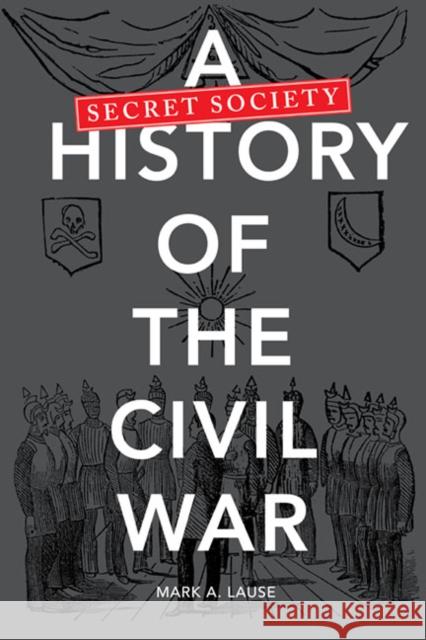
This unique history of the Civil War considers the impact of nineteenth-century American secret societies on the path to as well as the course of the war. Beginning with the European secret societies that laid the groundwork for freemasonry in the United States, Mark A. Lause analyzes how the Old World's traditions influenced various underground groups and movements in America, particularly George Lippard's Brotherhood of the Union, an American attempt to replicate the political secret societies that influenced the European Revolutions of 1848. Lause traces the Brotherhood's various...
This unique history of the Civil War considers the impact of nineteenth-century American secret societies on the path to as well as the course of t...
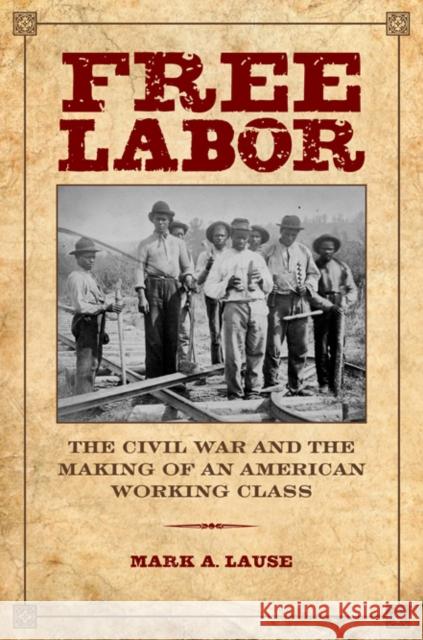
Monumental and revelatory, Free Labor explores labor activism throughout the country during a period of incredible diversity and fluidity: the American Civil War. Mark A. Lause describes how the working class radicalized during the war as a response to economic crisis, the political opportunity created by the election of Abraham Lincoln, and the ideology of free labor and abolition. Grappling with a broad array of organizations, tactics, and settings, Lause portrays not only the widely known leaders and theoreticians, but also the unsung workers who struggled on the battlefield and the...
Monumental and revelatory, Free Labor explores labor activism throughout the country during a period of incredible diversity and fluidity: the America...
Monumental and revelatory, Free Labor explores labor activism throughout the country during a period of incredible diversity and fluidity: the American Civil War. Mark A. Lause describes how the working class radicalized during the war as a response to economic crisis, the political opportunity created by the election of Abraham Lincoln, and the ideology of free labor and abolition. Grappling with a broad array of organizations, tactics, and settings, Lause portrays not only the widely known leaders and theoreticians, but also the unsung workers who struggled on the battlefield and the...
Monumental and revelatory, Free Labor explores labor activism throughout the country during a period of incredible diversity and fluidity: the America...
Often dismissed as a nineteenth-century curiosity, spiritualism influenced the radical social and political movements of its time. Believers filled the ranks of the Free Democrats, agitated for land and monetary reform, fought for abolition, and held egalitarian leanings that found powerful expression in campaigns for gender and racial equality. In Free Spirits, Mark A. Lause considers spiritualism as a political and cultural force in Civil War-era America. Lause reveals the scope, spread, and influence of the movement, both in its links to reformist causes and its ability to amplify...
Often dismissed as a nineteenth-century curiosity, spiritualism influenced the radical social and political movements of its time. Believers filled th...
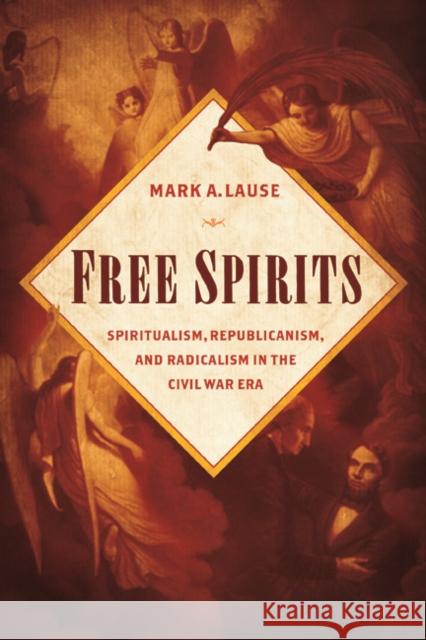
Often dismissed as a nineteenth-century curiosity, spiritualism influenced the radical social and political movements of its time. Believers filled the ranks of the Free Democrats, agitated for land and monetary reform, fought for abolition, and held egalitarian leanings that found powerful expression in campaigns for gender and racial equality. In Free Spirits, Mark A. Lause considers spiritualism as a political and cultural force in Civil War-era America. Lause reveals the scope, spread, and influence of the movement, both in its links to reformist causes and its ability to amplify...
Often dismissed as a nineteenth-century curiosity, spiritualism influenced the radical social and political movements of its time. Believers filled th...