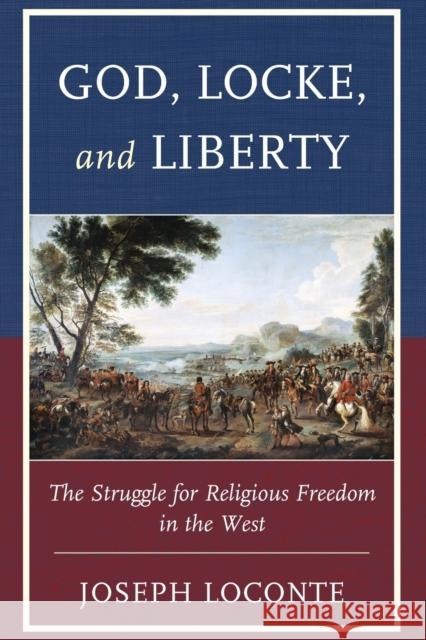
I no sooner perceived myself in the world, wrote English philosopher John Locke, than I found myself in a storm. The storm of which Locke spoke was the maelstrom of religious fanaticism and intolerance that was tearing apart the social fabric of European society. His response was A Letter Concerning Toleration (1689), arguably the most important defense of religious freedom in the Western tradition. In God, Locke, and Liberty: The Struggle for Religious Freedom in the West, historian Joseph Loconte offers a groundbreaking study of Locke s Letter, challenging the notion that decisive arguments...
I no sooner perceived myself in the world, wrote English philosopher John Locke, than I found myself in a storm. The storm of which Locke spoke was th...
"I no sooner perceived myself in the world," wrote English philosopher John Locke, "than I found myself in a storm." The storm of which Locke spoke was the maelstrom of religious fanaticism and intolerance that was tearing apart the social fabric of European society. His response was A Letter Concerning Toleration (1689), arguably the most important defense of religious freedom in the Western tradition. In God, Locke, and Liberty: The Struggle for Religious Freedom in the West, historian Joseph Loconte offers a groundbreaking study of Locke's Letter, challenging the notion that decisive...
"I no sooner perceived myself in the world," wrote English philosopher John Locke, "than I found myself in a storm." The storm of which Locke spoke wa...