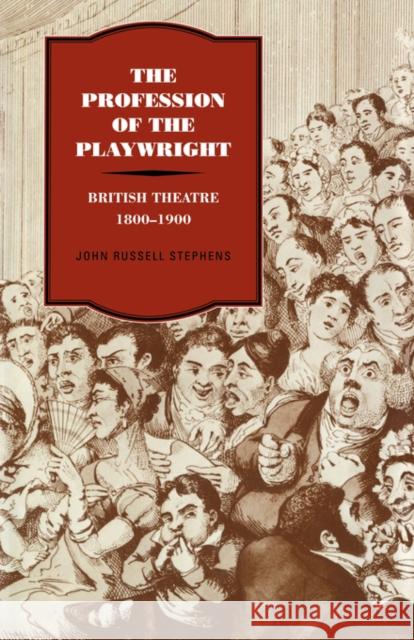
This is the first book to examine the working world of the playwright in nineteenth-century Britain. It was often a risky and financially uncertain profession, yet the magic of the theater attracted authors from widely different backgrounds--journalists, lawyers, churchmen, civil servants, printers, and actors, as well as prominent poets and novelists. In a fascinating account of the frustrations and the rewards of dramatic authorship, Stephens uncovers fresh information on the playwright's earnings, relationships with actors, managers, publishers, and audience, and offers a new perspective...
This is the first book to examine the working world of the playwright in nineteenth-century Britain. It was often a risky and financially uncertain pr...
This is the first book to examine the working world of the playwright in nineteenth-century Britain. It was often a risky and financially uncertain profession, yet the magic of the theater attracted authors from widely different backgrounds--journalists, lawyers, churchmen, civil servants, printers, and actors, as well as prominent poets and novelists. In a fascinating account of the frustrations and the rewards of dramatic authorship, Stephens uncovers fresh information on the playwright's earnings, relationships with actors, managers, publishers, and audience, and offers a new perspective...
This is the first book to examine the working world of the playwright in nineteenth-century Britain. It was often a risky and financially uncertain pr...
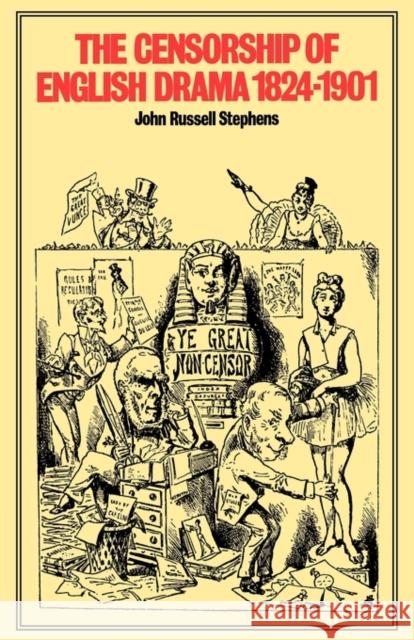
English stage censorship goes back to Tudor times, but only in the eighteenth century were the powers of the censor seriously organised. Further legislation in 1843 required theatre managers throughout Great Brtiain to present each script for the Lord Chamberlain's scrutiny before a licence for public performance was granted. Originally published in 1980, this was the first study to make extensive use of the riches of the Lord Chamberlain's files in the Public Record Office, which begins in 1824, and of the manuscript plays in the British Museum. Dramatic censorship is shown to be a...
English stage censorship goes back to Tudor times, but only in the eighteenth century were the powers of the censor seriously organised. Further legis...