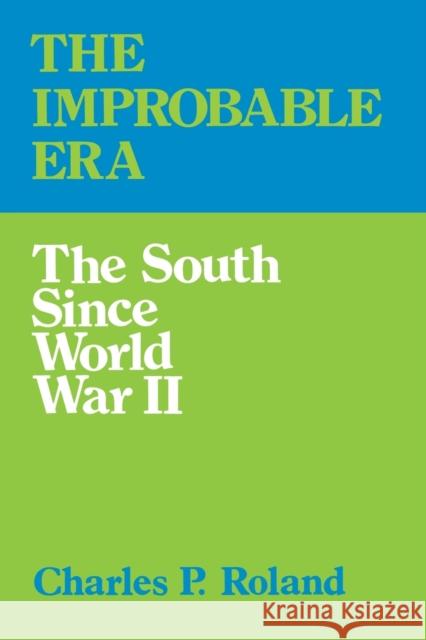
In this concise yet comprehensive, thoroughly researched, and crisply written study, The Improbable Era places developments over the last three decades in Southern economics, politics, education, religion, the arts, and racial revolution into a disciplined framework that brings a measure of order to the perplexing chaos of this era of fundamental change in Southern life.
In this concise yet comprehensive, thoroughly researched, and crisply written study, The Improbable Era places developments over the last three decade...
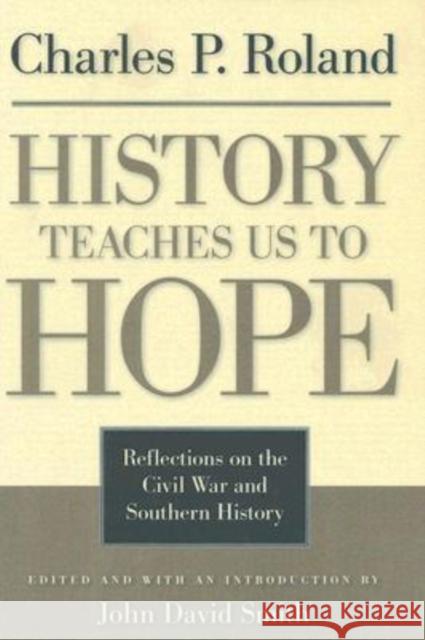
Before his death in 1870, Robert E. Lee penned a letter to Col. Charles Marshall in which he argued that we must cast our eyes backward in times of turmoil and change, concluding that "it is history that teaches us to hope." Charles Pierce Roland, one of the nation's most distinguished and respected historians, has done exactly that, devoting his career to examining the South's tumultuous path in the years preceding and following the Civil War. History Teaches Us to Hope: Reflections on the Civil War and Southern History is an unprecedented compilation of works by the man the volume editor...
Before his death in 1870, Robert E. Lee penned a letter to Col. Charles Marshall in which he argued that we must cast our eyes backward in times of...
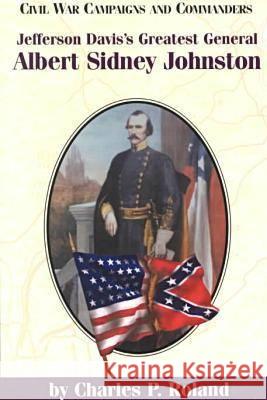
To Confederate president Jefferson Davis, America had no finer soldier than Kentucky-born Texan Albert Sidney Johnston. Following the outbreak of the Civil War, Davis turned to Johnston to take control of the deteriorating situation in the Western Theater. With a widely dispersed and undermanned army, Johnston tried but failed to hold the line in Kentucky and Tennessee.After yielding Forts Henry and Donelson, and Nashville, the Confederates fell back into Alabama and Mississippi, where Johnston rallied his troops for a surprise attack against Federal forces in western Tennessee.
Thus far,...
To Confederate president Jefferson Davis, America had no finer soldier than Kentucky-born Texan Albert Sidney Johnston. Following the outbreak of the ...
To Confederate president Jefferson Davis, America had no finer soldier than Kentucky-born Texan Albert Sidney Johnston. Following the outbreak of the Civil War, Davis turned to Johnston to take control of the deteriorating situation in the Western Theater. With a widely dispersed and undermanned army, Johnston tried but failed to hold the line in Kentucky and Tennessee. After yielding Forts Henry and Donelson, and Nashville, the Confederates fell back into Alabama and Missisippi, where Johnston rallied his troops for a surprise attack against Federal forces in western Tennessee. Thus far,...
To Confederate president Jefferson Davis, America had no finer soldier than Kentucky-born Texan Albert Sidney Johnston. Following the outbreak of the ...