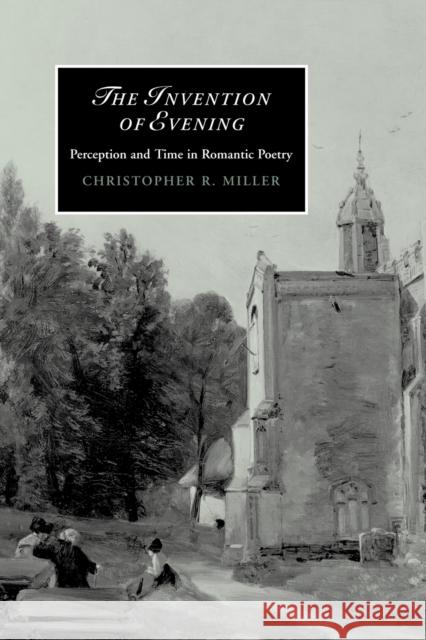
Lyric poetry has long been considered an art form of timelessness, but Romantic poets became fascinated by one time above all others: evening, the threshold between day and night. Christopher R. Miller investigates the cultural background of this development. The tradition of evening poetry runs from the idyllic settings of Virgil to the urban twilights of T. S. Eliot, and flourished in the works of Coleridge, Wordsworth, Shelley and Keats. In fresh readings of familiar Romantic poems, Miller shows how evening settings enabled poets to represent the passage of time and to associate it with...
Lyric poetry has long been considered an art form of timelessness, but Romantic poets became fascinated by one time above all others: evening, the thr...
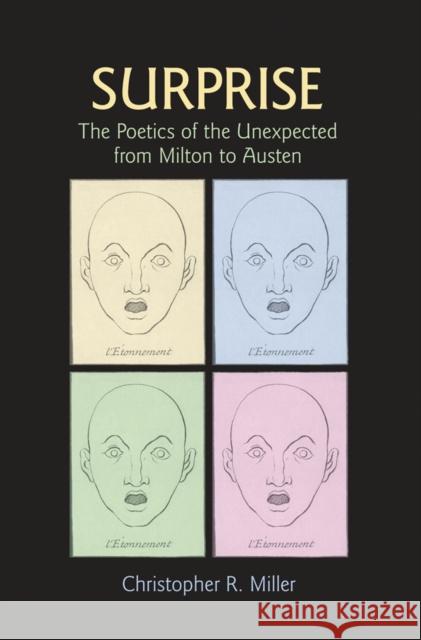
Today, in the era of the spoiler alert, surprise in fiction is primarily associated with an unexpected plot twist, but in earlier usage, the word had darker and more complex meanings. Originally denoting a military ambush or physical assault, surprise went through a major semantic shift in the eighteenth century: from violent attack to pleasurable experience, and from external event to internal feeling. In Surprise, Christopher R. Miller studies that change as it took shape in literature ranging from Paradise Lost through the novels of Jane Austen. Miller argues that...
Today, in the era of the spoiler alert, surprise in fiction is primarily associated with an unexpected plot twist, but in earlier usage, the word h...