Herbert Read was a maverick character in the cultural life of the 20th century. A radical leader of the avant garde in the 1930s and an anarchist revolutionary during the war years, by the time of his death in 1968 he had become a key figure at the heart of the British cultural establishment.
Herbert Read was a maverick character in the cultural life of the 20th century. A radical leader of the avant garde in the 1930s and an anarchist revo...
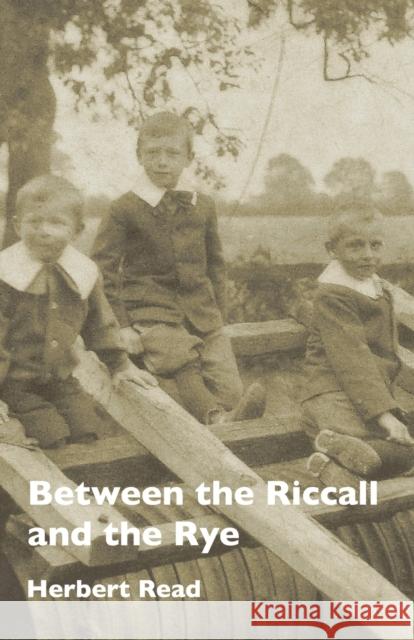
From the 1930s to the 1960s Herbert Read was probably the world's leading writer on modern art. His name is closely associated with the key figures of international modernism, from Barbara Hepworth and Henry Moore, to Kurt Schwitters and Naum Gabo, to name but a few. He also worked with major figures in literature, including George Orwell and T.S. Eliot, and was an active member of the British anarchist movement. But Read was also an exile, driven by poverty as a child from his idyllic rural home in Ryedale to grow up in industrial Halifax and Leeds. For him this represented an expulsion from...
From the 1930s to the 1960s Herbert Read was probably the world's leading writer on modern art. His name is closely associated with the key figures of...
This book deals with the everlasting problem of war and peace. In it, the author argues that mankind must be predisposed for peace by the right kind of education and he discusses how to devise methods of education which will prevent war.
This book deals with the everlasting problem of war and peace. In it, the author argues that mankind must be predisposed for peace by the right kin...
This text deals with the everlasting problem of war and peace. In it, the author argues that mankind must be predisposed for peace by the right kind of education and he discusses how to devise methods of education which will prevent war. This book deals with the everlasting problem of war and peace.
This text deals with the everlasting problem of war and peace. In it, the author argues that mankind must be predisposed for peace by the right kind o...
Written two years after the commencement of the Second World War, the chapters in this book succinctly put forward the case for reorganizing the foundations of the social order, by rejecting capitalism and historical equilibrium, both in Europe and further afield in the British Empire, in favour of building a Socialist civilization.
Written two years after the commencement of the Second World War, the chapters in this book succinctly put forward the case for reorganizing the fo...