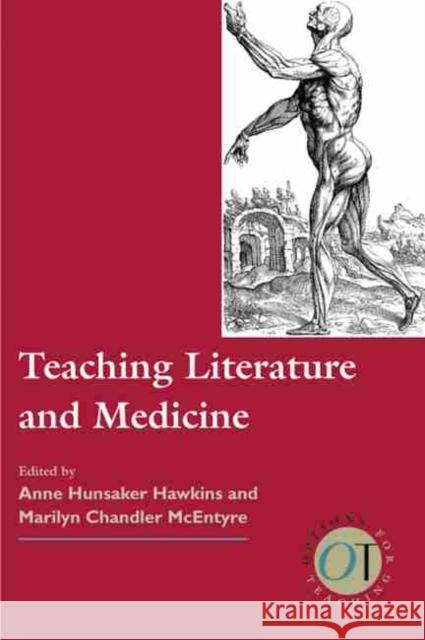
Both the actualities and the metaphorical possibilities of illness and medicine abound in literature: from the presence of tuberculosis in Franz Kafka's fiction or childbed fever in Mary Shelley's Frankenstein to disease in Thomas Mann's Death in Venice or in Harold Pinter's A Kind of Alaska; from the stories of Anton Chekhov and of William Carlos Williams, both doctors, to the poetry of nurses derived from their contrasting experiences. These are just a few examples of the cross-pollination between literature and medicine.
It is no surprise, then, that courses...
Both the actualities and the metaphorical possibilities of illness and medicine abound in literature: from the presence of tuberculosis in Franz Ka...
Both the actualities and the metaphorical possibilities of illness and medicine abound in literature: from the presence of tuberculosis in Franz Kafka's fiction or childbed fever in Mary Shelley's Frankenstein to disease in Thomas Mann's Death in Venice or in Harold Pinter's A Kind of Alaska; from the stories of Anton Chekhov and of William Carlos Williams, both doctors, to the poetry of nurses derived from their contrasting experiences. These are just a few examples of the cross-pollination between literature and medicine.
It is no surprise, then, that courses...
Both the actualities and the metaphorical possibilities of illness and medicine abound in literature: from the presence of tuberculosis in Franz Ka...
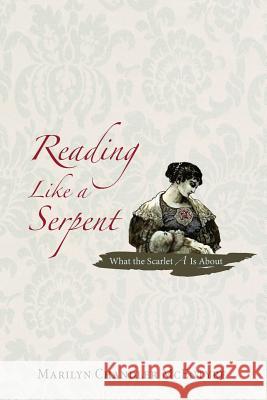
Synopsis: Many remember The Scarlet Letter as required reading for reluctant sixteen year olds. The unnamed, elusive narrator of Hawthorne's "tale of human frailty and sorrow" is-some readers might say maddeningly-indirect, ambiguous, and inconsistent. Readers who hope to arrive at satisfying judgments about the book's four iconic characters-Hester, Arthur, Roger, and Pearl-are often left to arrive at their conclusions by guess and inference. The narrator provides what seems to be willfully incomplete information. His point of view shifts from one moral or historical perspective to another...
Synopsis: Many remember The Scarlet Letter as required reading for reluctant sixteen year olds. The unnamed, elusive narrator of Hawthorne's "tale of ...
Patient Poets: Illness from Inside Out invites readers to consider what caregivers and medical professionals may learn from poetry by patients. It offers reflections on poetry as a particularly apt vehicle for articulating the often isolating experiences of pain, fatigue, changed life rhythms, altered self-understanding, embarrassment, resistance, and acceptance.
Patient Poets: Illness from Inside Out invites readers to consider what caregivers and medical professionals may learn from poetry by patients. It off...
Well-known biblical phrases -- "in the fullness of time," "fearfully and wonderfully made," "in the beauty of holiness," and others -- suggest and evoke and invite. In this book Marilyn Chandler McEntyre offers brief reflections on more than fifty such scriptural phrases that prompt readers to pay attention, to pause where we sense a beckoning. Some of these select phrases are devotional, some speculative, some whimsical, some edgy. McEntyre encourages us to see such "words within the Word" as invitations and, in doing so, to discover that they are places of divine encounter, epiphany, or...
Well-known biblical phrases -- "in the fullness of time," "fearfully and wonderfully made," "in the beauty of holiness," and others -- suggest and evo...
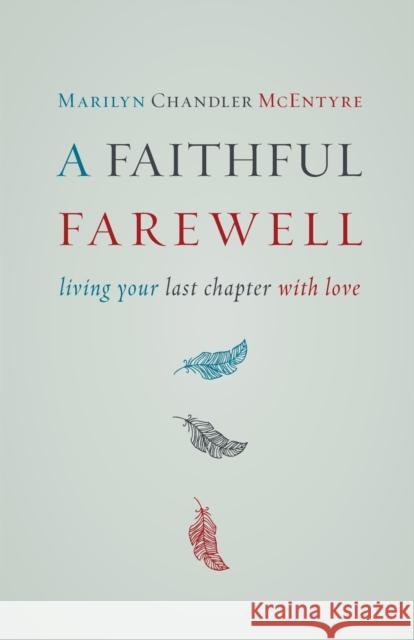
When the time comes for us to die, how do we say good-bye to our friends, our families, and the lives we have lived? How do we remain faithful -- to God, to ourselves, and to loved ones -- as we face our final journey?
As Marilyn McEntyre acknowledges, these questions are especially challenging because we now live longer than previous generations did, and many of us die more slowly. Those who are dying have a lot of things to deal with -- fear, discouragement, boredom, pain, regret. The list is long.
In this book McEntyre offers fifty-two short meditations on the very...
When the time comes for us to die, how do we say good-bye to our friends, our families, and the lives we have lived? How do we remain faithful -- to G...
Sharing the Practice -A beautiful book of meditations.-
Christian Century -McEntyre's language is reflective and sensitive but not sentimental. . . . A thoughtful and realistic window into the often hidden, though well-traveled, end-of-life journey.-
Michael Card -- musician and writer -Marilyn McEntyre embodies simple, patient kindness in the pages of this book.-
Samuel Wells -- vicar of St. Martin-in-the-Fields, London -When we face our own death, or the death of someone dearer to...
Sharing the Practice -A beautiful book of meditations.-
Beautifully written meditations on fifteen well-chosen words
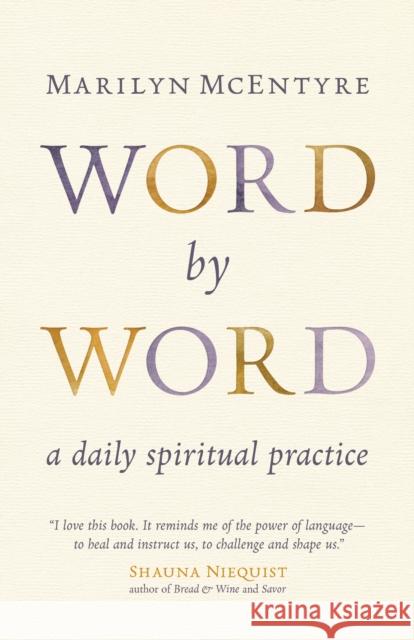
In What's in a Phrase? -- winner of the 2015 Christianity Today Book Award in Spirituality -- Marilyn McEntyre showed readers how brief scriptural phrases can evoke and invite. In Word by WordMcEntyre invites readers to dwell intentionally with single words -- remembering their biblical and literary contexts, considering the personal associations they bring up, and allowing them to become a focus for prayer and meditation.
McEntyre has thoughtfully chosen fifteen words (see...
Beautifully written meditations on fifteen well-chosen words
In What's in a Phrase? -- winner of the 2015 Christianity T...