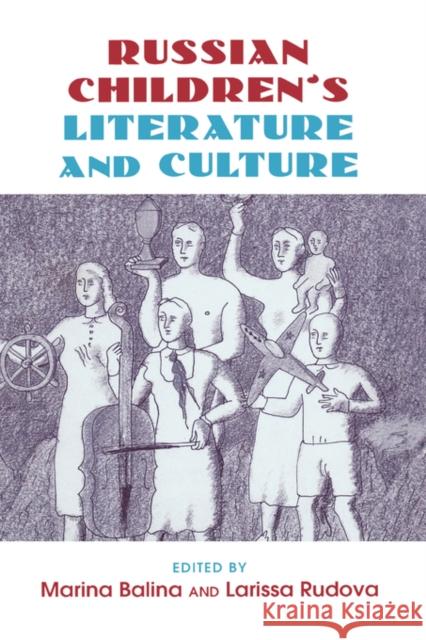
Soviet literature in general and Soviet children's literature in particular have often been labeled by Western and post-Soviet Russian scholars and critics as propaganda. Below the surface, however, Soviet children's literature and culture allowed its creators greater experimental and creative freedom than did the socialist realist culture for adults. This volume explores the importance of children's culture, from literature to comics to theater to film, in the formation of Soviet social identity and in connection with broader Russian culture, history, and society.
Soviet literature in general and Soviet children's literature in particular have often been labeled by Western and post-Soviet Russian scholars and...
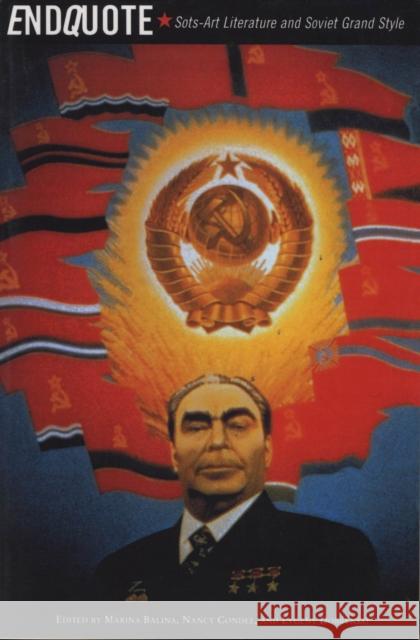
Sots-art, the mock use of the Soviet ideological cliches of mass culture, originated in Soviet nonconformist art of the early 1970s. An original and provocative guide, "Endquote: Sots-Art Literature and Soviet Grand Style" examines the conceptual aspect of sots-art, sots-art poetry, and sots-art prose, and discusses where these still-vital intellectual currents may lead. "
Sots-art, the mock use of the Soviet ideological cliches of mass culture, originated in Soviet nonconformist art of the early 1970s. An original and p...
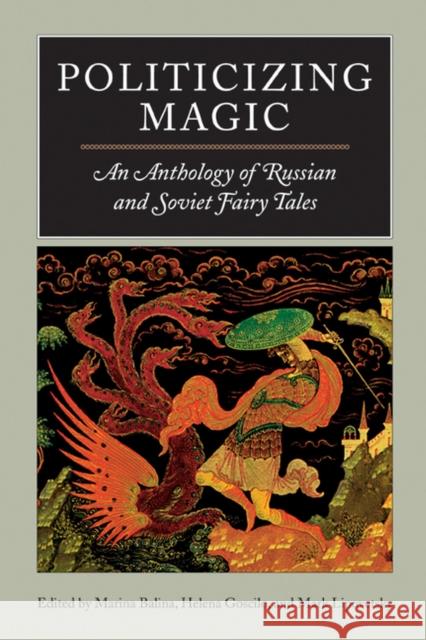
A compendium of folkloric, literary, and critical texts that show how the Russian fairy tale acquired political and historical meanings during the Soviet era We were born to make fairy tales come true. As one of Stalinism's more memorable slogans, this one suggests that the fairy tale figured in Soviet culture as far more than a category of children's literature. How much more-and how cannily Russian fairy tales reflect and interpret Soviet culture, especially in its utopian ambitions-becomes clear for the first time in Politicizing Magic, a compendium of folkloric, literary, and critical...
A compendium of folkloric, literary, and critical texts that show how the Russian fairy tale acquired political and historical meanings during the Sov...
A compendium of folkloric, literary, and critical texts that show how the Russian fairy tale acquired political and historical meanings during the Soviet era We were born to make fairy tales come true. As one of Stalinism's more memorable slogans, this one suggests that the fairy tale figured in Soviet culture as far more than a category of children's literature. How much more-and how cannily Russian fairy tales reflect and interpret Soviet culture, especially in its utopian ambitions-becomes clear for the first time in Politicizing Magic, a compendium of folkloric, literary, and critical...
A compendium of folkloric, literary, and critical texts that show how the Russian fairy tale acquired political and historical meanings during the Sov...
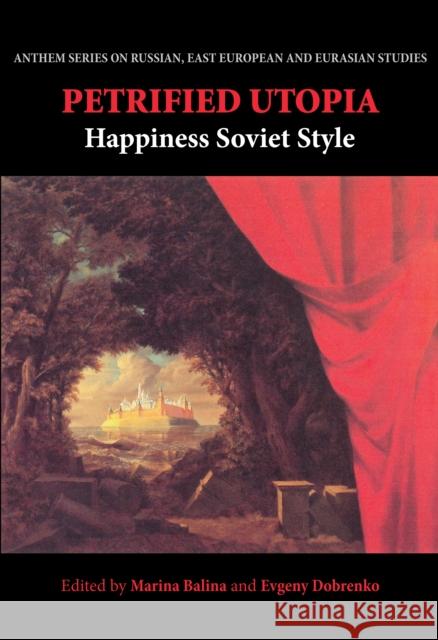
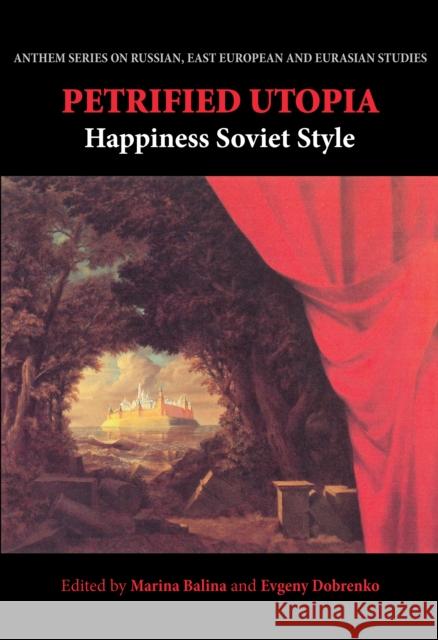
The pursuit of collective happiness was considered a utopian ideal that structured many aspects of Soviet culture, a fact recognized by numerous scholars in various disciplines ranging from cultural and literary studies to sociology and political science. Several groundbreaking studies in the literary and cultural history of the former Soviet Union have changed our understanding of the Soviet past. However, none of these studies has paid attention to an important theme in the cultural history of Soviet society - the pursuit of happiness. Although specialists in Soviet culture repeatedly...
The pursuit of collective happiness was considered a utopian ideal that structured many aspects of Soviet culture, a fact recognized by numerous sc...
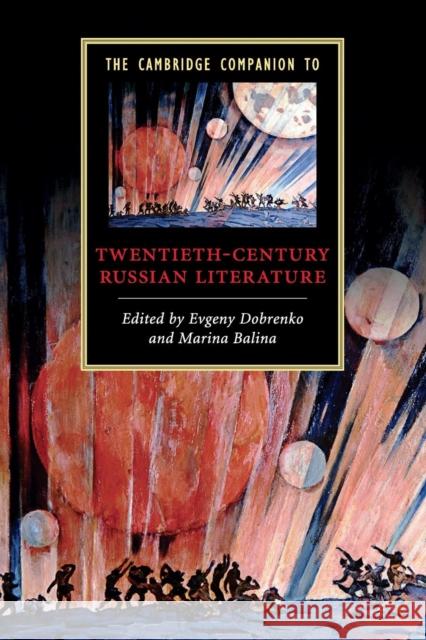
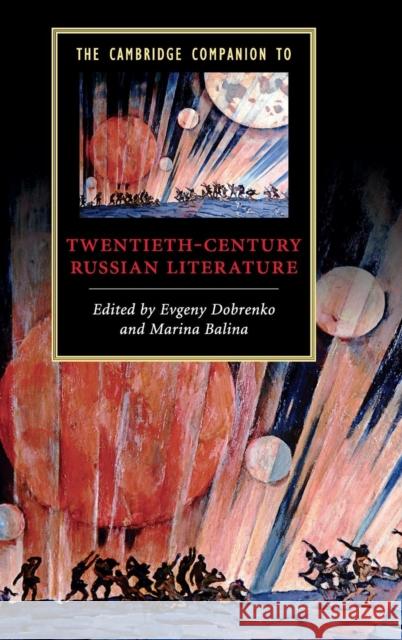
In Russian history, the twentieth century was an era of unprecedented, radical transformations changes in social systems, political regimes, and economic structures. A number of distinctive literary schools emerged, each with their own voice, specific artistic character, and ideological background. As a single-volume compendium, the Companion provides a new perspective on Russian literary and cultural development, as it unifies both emigre literature and literature written in Russia. This volume concentrates on broad, complex, and diverse sources from symbolism and revolutionary avant-garde...
In Russian history, the twentieth century was an era of unprecedented, radical transformations changes in social systems, political regimes, and econo...
In Russian history, the twentieth century was an era of unprecedented, radical transformations changes in social systems, political regimes, and economic structures. A number of distinctive literary schools emerged, each with their own voice, specific artistic character, and ideological background. As a single-volume compendium, the Companion provides a new perspective on Russian literary and cultural development, as it unifies both emigre literature and literature written in Russia. This volume concentrates on broad, complex, and diverse sources from symbolism and revolutionary avant-garde...
In Russian history, the twentieth century was an era of unprecedented, radical transformations changes in social systems, political regimes, and econo...
The pursuit of collective happiness was considered a utopian ideal that structured many aspects of Soviet culture, a fact recognized by numerous scholars in various disciplines ranging from cultural and literary studies to sociology and political science. Several groundbreaking studies in the literary and cultural history of the former Soviet Union have changed our understanding of the Soviet past. However, none of these studies has paid attention to an important theme in the cultural history of Soviet society - the pursuit of happiness. Although specialists in Soviet culture repeatedly...
The pursuit of collective happiness was considered a utopian ideal that structured many aspects of Soviet culture, a fact recognized by numerous sc...