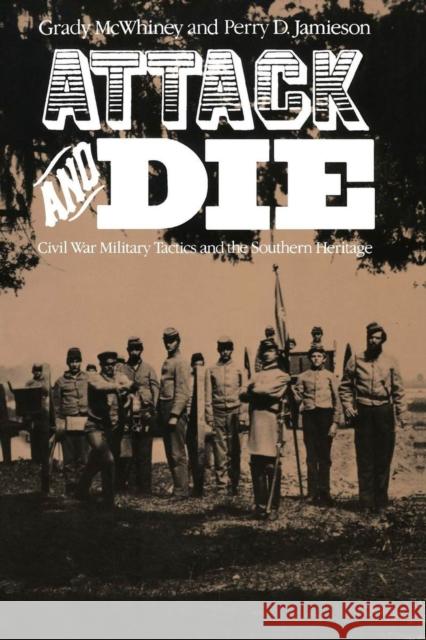
In the first twenty-seven months of combat 175,000 Southern soldiers died. This number was more than the entire Confederate military force in the summer of 1861, and it far exceeded the strength of any army that Lee ever commanded. More than 80,000 Southerners fell in just five battles. At Gettysburg three out of every ten Confederates present were hit; one brigade lost 65 percent of its men and 70 percent of its field officers in a single charge. A North Carolina regiment started the action with some 800 men; only 216 survived unhurt. Another unit lost two-thirds of its men as well as...
In the first twenty-seven months of combat 175,000 Southern soldiers died. This number was more than the entire Confederate military force in the ...
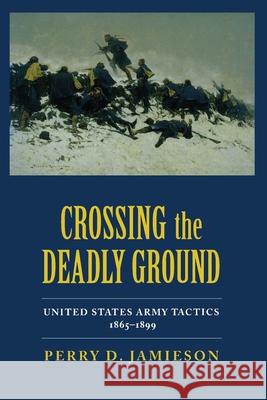
Weapons improved rapidly after the Civil War, raising difficult questions about the battle tactics employed by the United States Army. The most fundamental problem was the dominance of the tactical defensive, when defenders protected by fieldworks could deliver deadly fire from rifles and artillery against attackers advancing in close-ordered lines. The vulnerability of these offensive forces as they crossed the so-called "deadly ground" in front of defensive positions was even greater with the improvement of armaments after the Civil War.
Weapons improved rapidly after the Civil War, raising difficult questions about the battle tactics employed by the United States Army. The most fun...
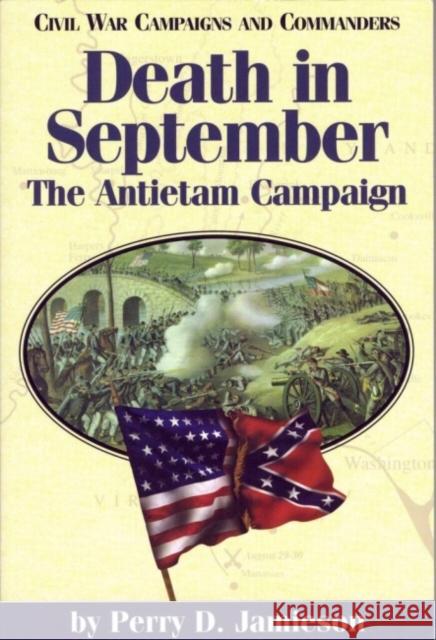
Early September 1862... General Robert E. Lee's Army of Northern Virginia crosses the Potomac River and invades the North for the first time during the Civil War. Major General George B. McClellan's Army of the Potomac moves northwest through Maryland in pursuit of the Confederates. Lee decides on a daring course of action. To capture the Union garrison at Harpers Ferry, the Confederate commander boldly divides his army. Meanwhile in one of the greatest intelligence coups of the war, two Federal soldiers find a copy of Lee's orders. The Confederate plan in hand, the Union commander brings the...
Early September 1862... General Robert E. Lee's Army of Northern Virginia crosses the Potomac River and invades the North for the first time during th...
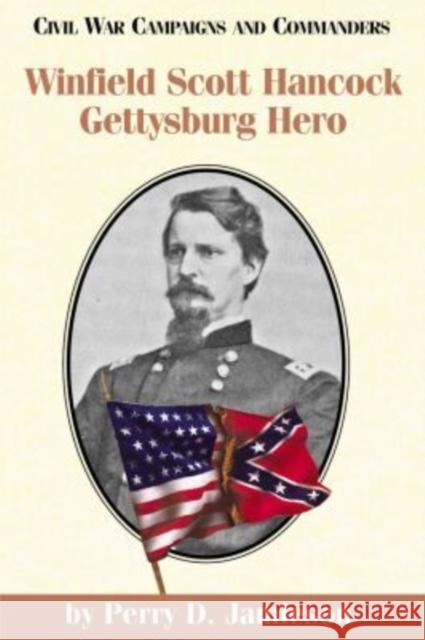
Winfield Scott Hancock gained his greatest fame for his crucial contributions to the Federal victory at Gettysburg. Union veterans remembered Hancock as a general who led from the front and whose forceful presence could change the course of a battle. In addition to the Civil War, Hancock's military service included dramatic experiences during the Mexican-American War, Reconstruction, and the Indian wars. He also pursued a national political career, which ended in an unsuccessful try for the presidency in 1880. This lively biography introduces readers to an American soldier who put...
Winfield Scott Hancock gained his greatest fame for his crucial contributions to the Federal victory at Gettysburg. Union veterans remembered Hancock ...
Discusses the terrorist truck bombing of Khobar Towers that occurred in Saudi Arabia on June 25, 1996. Nineteen American servicemen were killed and many people were injured. First published in 2008. Illustrated.
Discusses the terrorist truck bombing of Khobar Towers that occurred in Saudi Arabia on June 25, 1996. Nineteen American servicemen were killed and ma...
This monograph is one in a series of five works dealing with various aspects of the Air Force's participation in Desert Shield and Desert Storm. Historians of the Air Force History Program built a foundation for researching any topic related to the Gulf War air campaign. Before, during, and after Desert Storm, they collected thousands of feet of documents and conducted a number of valuable oral history interviews.
This monograph is one in a series of five works dealing with various aspects of the Air Force's participation in Desert Shield and Desert Storm. Histo...
When Gen. Robert E. Lee fled from Petersburg and Richmond, Virginia, in April 1865, many observers did not realize that the Civil War had reached its nadir. A large number of Confederates, from Jefferson Davis down to the rank-and-file, were determined to continue fighting. Though Union successes had nearly extinguished the Confederacy s hope for an outright victory, the South still believed it could force the Union to grant a negotiated peace that would salvage some of its war aims. As evidence of the Confederacy s determination, two major Union campaigns, along with a number of smaller...
When Gen. Robert E. Lee fled from Petersburg and Richmond, Virginia, in April 1865, many observers did not realize that the Civil War had reached i...