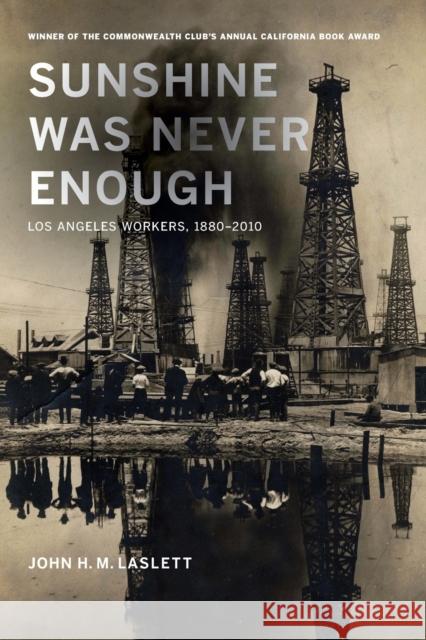
Delving beneath Southern California's popular image as a sunny frontier of leisure and ease, this book tells the dynamic story of the life and labor of Los Angeles's large working class. In a sweeping narrative that takes into account more than a century of labor history, John H. M. Laslett acknowledges the advantages Southern California's climate, open spaces, and bucolic character offered to generations of newcomers. At the same time, he demonstrates that--in terms of wages, hours, and conditions of work--L.A. differed very little from America's other industrial cities. Both fast-paced and...
Delving beneath Southern California's popular image as a sunny frontier of leisure and ease, this book tells the dynamic story of the life and labor o...
On May 8, 1959, the evening news shocked Los Angeles residents, who saw LA County sheriffs carrying a Mexican American woman from her home in Chavez Ravine not far from downtown. Immediately afterward, the house was bulldozed to the ground. This violent act was the last step in the forced eviction of 3,500 families from the unique hilltop barrio that in 1962 became the home of the Los Angeles Dodgers. John H. M. Laslett offers a new interpretation of the Chavez Ravine tragedy, paying special attention to the early history of the barrio, the reform of Los Angeles's destructive urban...
On May 8, 1959, the evening news shocked Los Angeles residents, who saw LA County sheriffs carrying a Mexican American woman from her home in Chavez R...