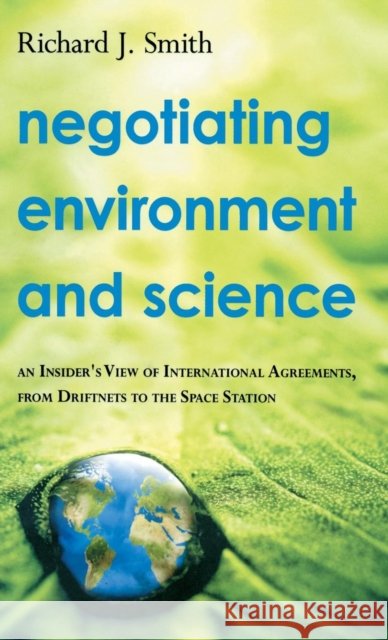
Contains the details about some of the complex and politically charged international agreements of the late and immediate post Cold War era. This title covers the negotiations such as the London agreement to amend the Montreal Protocol on Substances that deplete the ozone layer, and the international space station agreement.
Contains the details about some of the complex and politically charged international agreements of the late and immediate post Cold War era. This titl...
From the founding of the Qin dynasty in 221 BCE to the present, the Chinese have been preoccupied with the notion of ordering their world. Efforts to create and maintain order are expressed not only in China's bureaucratic institutions and methods of social and economic organization but also in Chinese philosophy, religious and secular ritual, and comprehensive systems of classifying all natural and supernatural phenomena. Mapping China and Managing the World focuses on Chinese constructions of order (zhi) and examines the most important ways in which elites in late imperial China sought to...
From the founding of the Qin dynasty in 221 BCE to the present, the Chinese have been preoccupied with the notion of ordering their world. Efforts to ...
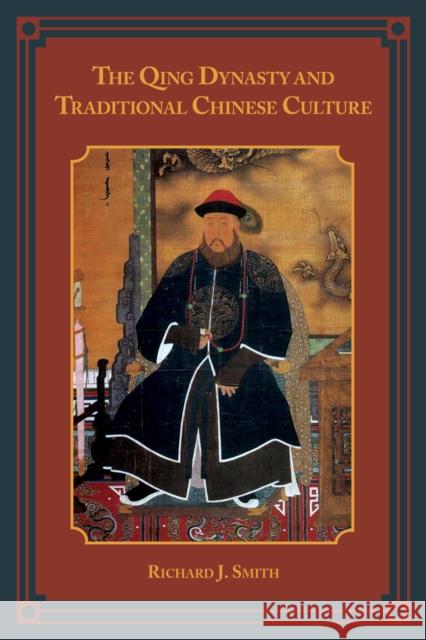
The Qing dynasty (1636-1912)--a crucial bridge between "traditional" and "modern" China--was remarkable for its expansiveness and cultural sophistication. This engaging and insightful history of Qing political, social, and cultural life traces the complex interaction between the Inner Asian traditions of the Manchus, who conquered China in 1644, and indigenous Chinese cultural traditions. Noted historian Richard J. Smith argues that the pragmatic Qing emperors presented a "Chinese" face to their subjects who lived south of the Great Wall and other ethnic faces (particularly Manchu, Mongolian,...
The Qing dynasty (1636-1912)--a crucial bridge between "traditional" and "modern" China--was remarkable for its expansiveness and cultural sophisticat...
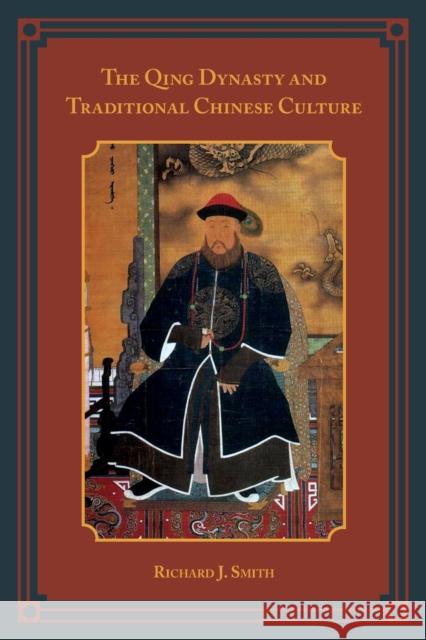
The Qing dynasty (1636-1912)--a crucial bridge between "traditional" and "modern" China--was remarkable for its expansiveness and cultural sophistication. This engaging and insightful history of Qing political, social, and cultural life traces the complex interaction between the Inner Asian traditions of the Manchus, who conquered China in 1644, and indigenous Chinese cultural traditions. Noted historian Richard J. Smith argues that the pragmatic Qing emperors presented a "Chinese" face to their subjects who lived south of the Great Wall and other ethnic faces (particularly Manchu, Mongolian,...
The Qing dynasty (1636-1912)--a crucial bridge between "traditional" and "modern" China--was remarkable for its expansiveness and cultural sophisticat...
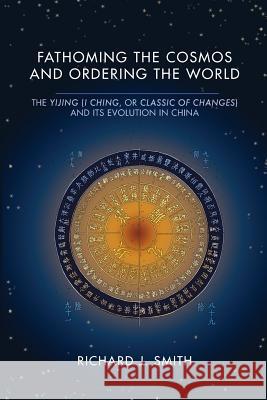
Offers the first full-length study in any Western language of the development of the Yijing in China from earliest times to the present. Drawing on the most recent scholarship in both Asian and Western languages, Richard J. Smith offers a fresh perspective on virtually every aspect of Yijing theory and practice for some three thousand years.
Offers the first full-length study in any Western language of the development of the Yijing in China from earliest times to the present. Drawing on th...