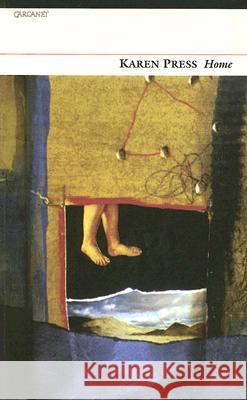
This collection brings together work from 1990-1995, the poems which Karen Press regards as exploratory tools along two axes of what it means to have a home. The first axis is time: past to present, personal ancestors and public history, personal history and public ancestors. The other axis is spatial, in the present tense, the movement from home to home, exile to exile. Press draws on the history of a particular place at a particular time, but is aware that local struggles to reclaim a home and a narrative of one's own history are echoes of every person's struggle to be at home in the...
This collection brings together work from 1990-1995, the poems which Karen Press regards as exploratory tools along two axes of what it means to have ...
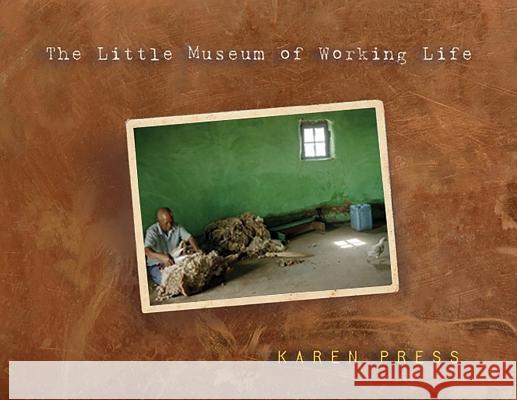
There are numerous rooms and exhibits in The Little Museum of Working Life. Among them, you can choose to see: the room of working parts; the gallery of the future; the gallery of chairs; the room of getting from day to day; and the room of repossessed furniture. Items in Karen Press's poetry have always been unusually well lit and carefully positioned, with lots of space for viewing and contemplation. That is truer than ever of the exhibits in this most artfully designed and immensely absorbing pocket museum, with its sensitive evocation of the textures and nuances of South African...
There are numerous rooms and exhibits in The Little Museum of Working Life. Among them, you can choose to see: the room of working parts; the gallery ...
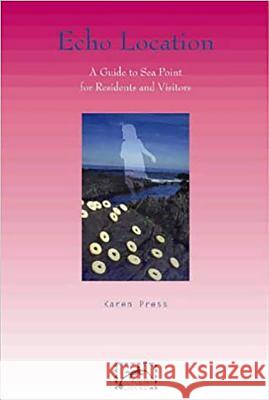
Shading our eyes from the glare we stand still, breath held, scanning this blue country we are on the edge of, watching for a sign that we may go home. In poems written from and about a specific point at the tip of a continent, Karen Press sends out delicate and skilful soundings: where are we? who are we? where have we come from? what might we become? Never overburdened by earnestness, Echo Location takes a good look at the hard questions by means of great entertainment.
Shading our eyes from the glare we stand still, breath held, scanning this blue country we are on the edge of, watching for a sign that we may go home...
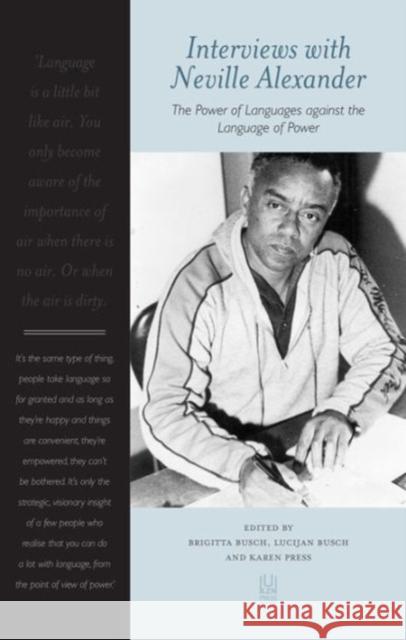
In a series of interviews conducted between 2006 and 2010, activist and scholar Neville Alexander reflected on how the languages he had used throughout his life shaped his world and his relationships with his immediate and wider communities. A version of these conversations was published in German in 2011 by Drava Verlag. In this reconstruction, which is the only extensive (auto)biographical work about Neville Alexander in English text, his belief in the emancipatory potential of multilingualism frames, his vividly recalled life, and his incisive observations about language in post-apartheid...
In a series of interviews conducted between 2006 and 2010, activist and scholar Neville Alexander reflected on how the languages he had used throughou...