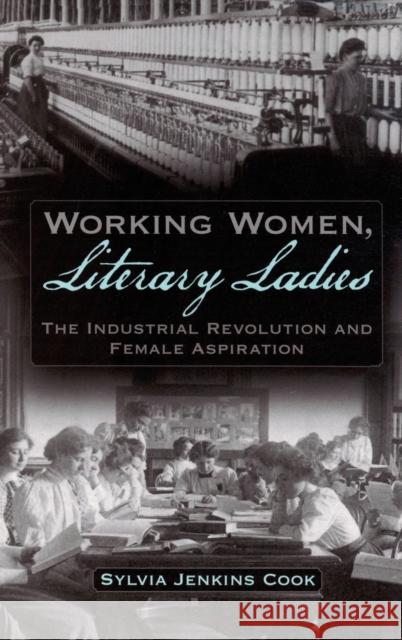
Working Women, Literary Ladies explores the simultaneous entry of working-class women in the United States into wage-earning factory labor and into opportunities for mental and literary development. It is the first book to examine the fascinating exchange between the work and literary spheres for laboring women in the rapidly industrializing America of the nineteenth and early twentieth centuries. As women entered the public sphere as workers, their opportunities for intellectual growth expanded, even as those same opportunities were often tightly circumscribed by the factory owners...
Working Women, Literary Ladies explores the simultaneous entry of working-class women in the United States into wage-earning factory labor an...
Working Women, Literary Ladies explores the simultaneous entry of working-class women in the United States into wage-earning factory labor and into opportunities for mental and literary development. It is the first book to examine the fascinating exchange between the work and literary spheres for laboring women in the rapidly industrializing America of the nineteenth and early twentieth centuries. As women entered the public sphere as workers, their opportunities for intellectual growth expanded, even as those same opportunities were often tightly circumscribed by the factory owners...
Working Women, Literary Ladies explores the simultaneous entry of working-class women in the United States into wage-earning factory labor an...
In the early nineteenth century, the southern poor white had a reputation for comic vulgarity and absurd violence; postbellum writers saw him as a quaint peasant; the 1920s transformed him into a revolutionary proletarian. Of the literary treatments discussed, Steinbeck's Grapes of Wrath emerges as a skillful compromise of documentary accuracy and political daring by reviving the tradition of degeneracy.
Originally published in 1976.
A UNC Press Enduring Edition -- UNC Press Enduring Editions use the latest in digital technology to make available again books...
In the early nineteenth century, the southern poor white had a reputation for comic vulgarity and absurd violence; postbellum writers saw him as a qua...