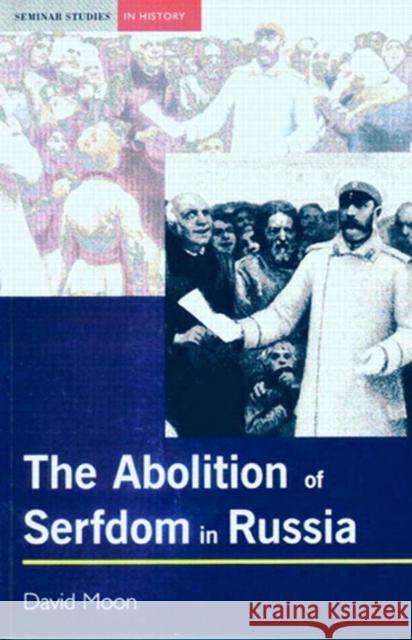
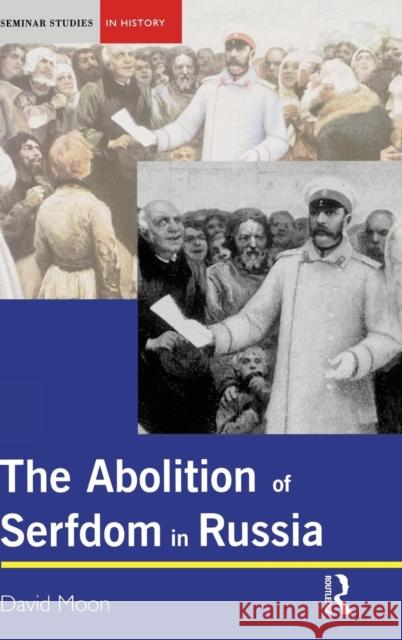
In February 1861 Tsar Alexander II issued the statutes abolishing the institution of serfdom in Russia. The procedures set in motion by Alexander II undid the ties that bound together 22 million serfs and 100,000 noble estate owners, and changed the face of Russia. Rather than presenting abolition as an 'event' that happened in February 1861, The Abolition of Serfdom in Russia presents the reform as a process. It traces the origins of the abolition of serfdom back to reforms in related areas in 1762 and forward to the culmination of the process in 1907. Written in an engaging...
In February 1861 Tsar Alexander II issued the statutes abolishing the institution of serfdom in Russia. The procedures set in motion by Alexander II u...
This is the first environmental history of Russia's steppes. From the early-eighteenth century, settlers moved to the semi-arid but fertile grasslands from wetter, forested regions in central and northern Russia and Ukraine, and from central Europe. By the late-nineteenth century, they had turned the steppes into the bread basket of the Russian Empire and parts of Europe. But there was another side to this story. The steppe region was hit by recurring droughts, winds from the east whipped up dust storms, the fertile black earth suffered severe erosion, crops failed, and in the worst years...
This is the first environmental history of Russia's steppes. From the early-eighteenth century, settlers moved to the semi-arid but fertile grasslands...
Initially a milling village on the banks of the Baraboo River, Reedsburg has experienced growth and change. It was established in the pioneer era of the 1850s and is home to nearly 10,000 residents and various thriving industries. Throughout history, the people of Reedsburg have created conditions for economic success and overcoming setbacks. Today, visitors are drawn to the city s historic downtown, with its specialty shops and restaurants, as it has adapted to changing times. Once a railroad stop on the Chicago and Northwestern line, Reedsburg is now the trailhead for the 400 State Trail...
Initially a milling village on the banks of the Baraboo River, Reedsburg has experienced growth and change. It was established in the pioneer era of t...
In February 1861 Tsar Alexander II issued the statutes abolishing the institution of serfdom in Russia. The procedures set in motion by Alexander II undid the ties that bound together 22 million serfs and 100,000 noble estate owners, and changed the face of Russia. Rather than presenting abolition as an 'event' that happened in February 1861, The Abolition of Serfdom in Russia presents the reform as a process. It traces the origins of the abolition of serfdom back to reforms in related areas in 1762 and forward to the culmination of the process in 1907. Written in an engaging...
In February 1861 Tsar Alexander II issued the statutes abolishing the institution of serfdom in Russia. The procedures set in motion by Alexander II u...
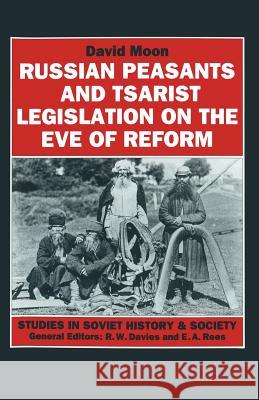
This study examines the interaction of peasant and official Russia in the period prior to the reforms of 1861. In a series of case studies the issues of communication and understanding between the peasantry and officialdom, peasant aims and behavioural patterns are explored.
This study examines the interaction of peasant and official Russia in the period prior to the reforms of 1861. In a series of case studies the issues ...