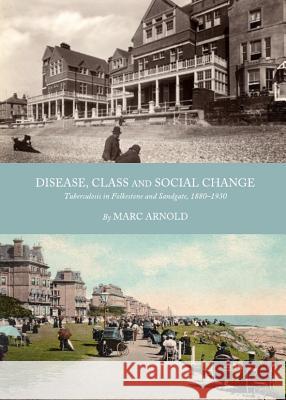
This previously unexamined history of open-air treatment in English coastal resorts demonstrates how contrasting meanings were assigned to tuberculosis along lines of class. It assesses the shifting inter-relation of medical, political and social forces in determining responses to this devastating disease, and analyses the relationship between scientific ideas, in particular social evolution and germ theory, and attitudes to poverty and chronic disease. In Folkestone and Sandgate these conflicting perceptions of the disease were highlighted in a clash of interests between reformist public...
This previously unexamined history of open-air treatment in English coastal resorts demonstrates how contrasting meanings were assigned to tuberculosi...