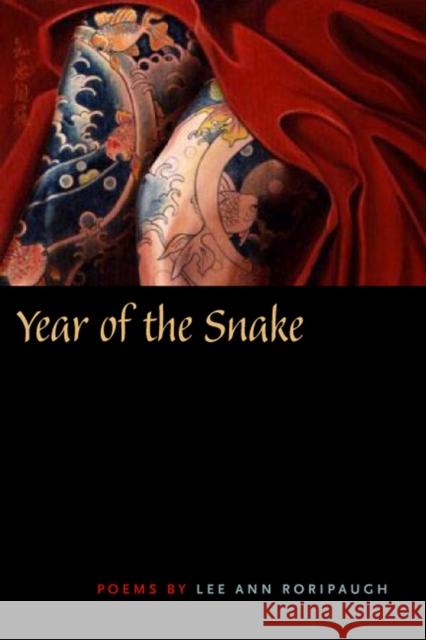
In her second collection of poems, Lee Ann Roripaugh probes themes of mixed-race female identities, evoking the molting processes of snakes and insects who shed their skins and shells as an ongoing metaphor for transformation of self. Intertwining contemporary renditions of traditional Japanese myths and fairy tales with poems that explore the landscape of childhood and early adolescence, she blurs the boundaries between myth and memory, between real and imagined selves. This collection explores cultural, psychological, and physical liminalities and exposes the diasporic arc cast by...
In her second collection of poems, Lee Ann Roripaugh probes themes of mixed-race female identities, evoking the molting processes of snakes and insect...
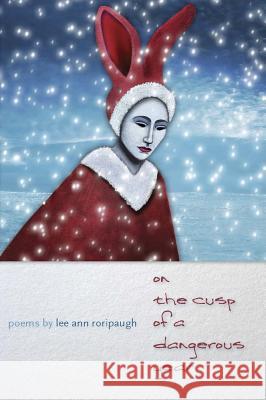
Lady Murasaki wrote in "The Tale of Genji" that thirty-seven is a dangerous year for women. Evoking the styles of Murasaki and other women writers of the Heian-period Japanese court, Lee Ann Roripaugh presents a collection of confessional poems charting the course of that perilous year. Roripaugh, in both an homage to and a dialogue with women writers of the past, explores the trials of women facing the treacherous waters of time while losing none of the grace and decadence of femininity. Often calling upon the passing of the seasons and revelations of nature, these lyrically elegant poems...
Lady Murasaki wrote in "The Tale of Genji" that thirty-seven is a dangerous year for women. Evoking the styles of Murasaki and other women writers of ...
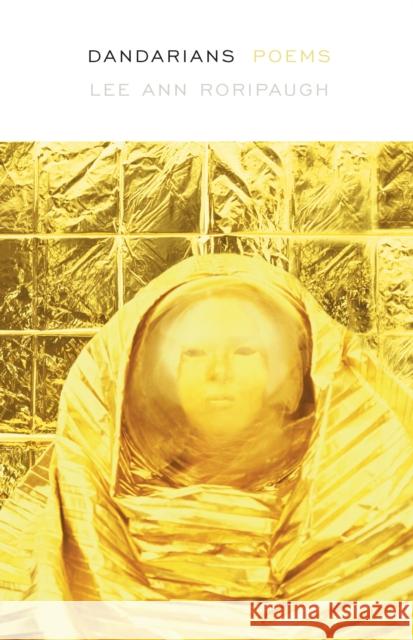
Based on sources as diverse as Heian period female Japanese writers and the world of science fiction, and drawing on her own experience as a second-generation Japanese American, acclaimed poet Lee Ann Roripaugh's fourth collection explores a series of "word betrayals"--English words misunderstood in transmission from her Japanese mother that came to take on symbolic ramifications in her early years. Co-opting and repurposing the language of knowledge and of misunderstanding, and dialoguing in original ways with notions of diaspora and hybrid identities, these poems demonstrate the many ways...
Based on sources as diverse as Heian period female Japanese writers and the world of science fiction, and drawing on her own experience as a second-ge...