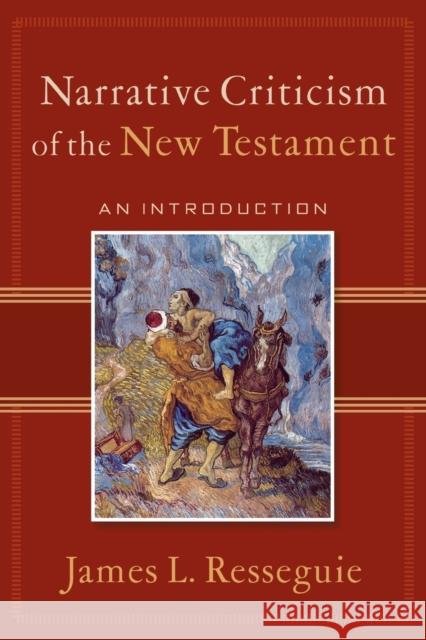
Narrative criticism is a relatively recent development that applies literary methods to the study of Scripture. James Resseguie suggests that this approach to reading the Bible treats the text as a self-contained unit and avoids complications raised by other critical methods of interpretation. Resseguie begins with an introductory chapter that surveys the methods of narrative criticism and how they can be used to discover important nuances of meaning through what he describes as a "close reading" of the text. He then devotes chapters to the principal rhetorical devices: setting, point of...
Narrative criticism is a relatively recent development that applies literary methods to the study of Scripture. James Resseguie suggests that this app...
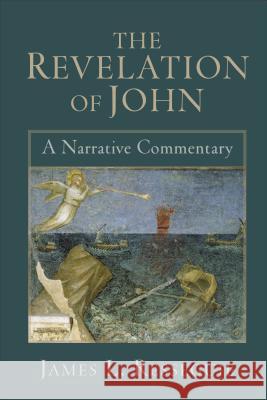
This narrative commentary systematically examines John's Apocalypse from a narrative critical perspective. After an introduction to narrative criticism, the volume focuses on point of view, setting, rhetoric, character, and plot in the Book of Revelation. The rhetorical and symbolic significance of numerals are discussed at length as are the multifaceted characters in the book such as demonic animals (locust, beasts, dragon, birds) and apocalyptic animals (lamb, four living creatures). The symbolic significance of topographical, architectural, agricultural, and other settings is emphasized....
This narrative commentary systematically examines John's Apocalypse from a narrative critical perspective. After an introduction to narrative criticis...
In this literary analysis of the Gospel of John, Resseguie examines rhetoric, setting, character, and plot to uncover the Gospel's unique point of view. He shows the usefulness of the concepts of defamiliarization and point of view for understanding how the narrator makes the familiar seem strange. A material, familiar point of view that is voiced by the dominant culture is compared with a defamiliarized, strange point of view that is expressed by Jesus and the disenfranchised. Through close readings of narrative texts, the author develops and elaborates the theological perspective of John,...
In this literary analysis of the Gospel of John, Resseguie examines rhetoric, setting, character, and plot to uncover the Gospel's unique point of vie...
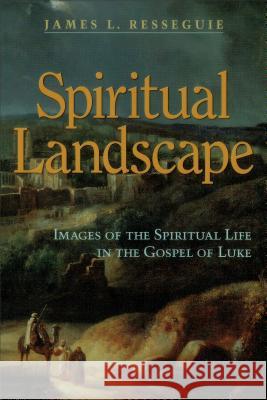
In Spiritual Landscape, James Resseguie culls recent study in narrative criticism to present the spiritual significance of the geographic environment, social relationships, and the local economy in Luke's Gospel. Students, preachers, spiritual directors, and readers interested in spirituality from a biblical perspective will gain insight from the role of stories such as the road to Emmaus, the tax collector's feast, and the demoniac's change of clothes.
In Spiritual Landscape, James Resseguie culls recent study in narrative criticism to present the spiritual significance of the geographic envir...