Based on the premises that all members of Homo sapiens sapiens share basically similar psychological processes and capabilities and that human culture is patterned, the author uses ethnographic analogy, inference from material patterns, and formal analysis to find in prehistoric imagery clues to the cosmology that lay behind them. The resulting book is an intriguing speculation on the nature of paleolithic religion, offering scholars a valuable synthesis of anthropological, archaeological, and sociological research, and general readers an accessible account of how our forebears may have...
Based on the premises that all members of Homo sapiens sapiens share basically similar psychological processes and capabilities and that human culture...
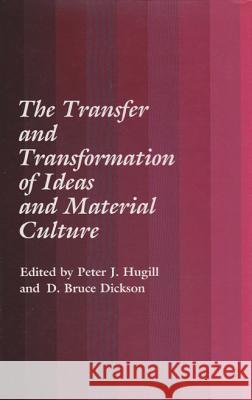
In a process called diffusion, people of any one culture may copy from those of another rather than constantly "reinventing" ideas and technologies. They copy things as diverse as pots, plants, plans, books, and automobiles; the techniques for constructing or replicating such artifacts; institutions, whether ecclesiastical, managerial, ceremonial, military, or economic; and ideas or complexes of ideas, including religious beliefs and political ideologies. In the process they transform these things, sometimes beyond recognition. How important, then, are these diffusion processes in determining...
In a process called diffusion, people of any one culture may copy from those of another rather than constantly "reinventing" ideas and technologies. T...