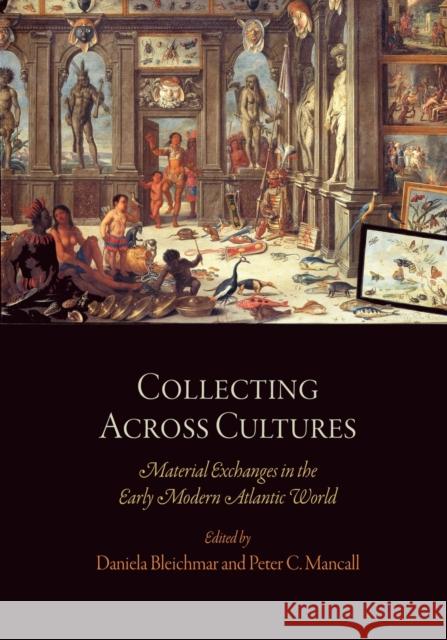
In the early modern age more people traveled farther than at any earlier time in human history. Many returned home with stories of distant lands and at least some of the objects they collected during their journeys. And those who did not travel eagerly acquired wondrous materials that arrived from faraway places. Objects traveled various routes--personal, imperial, missionary, or trade--and moved not only across space but also across cultures.
Histories of the early modern global culture of collecting have focused for the most part on European Wunderkammern, or "cabinets of...
In the early modern age more people traveled farther than at any earlier time in human history. Many returned home with stories of distant lands an...
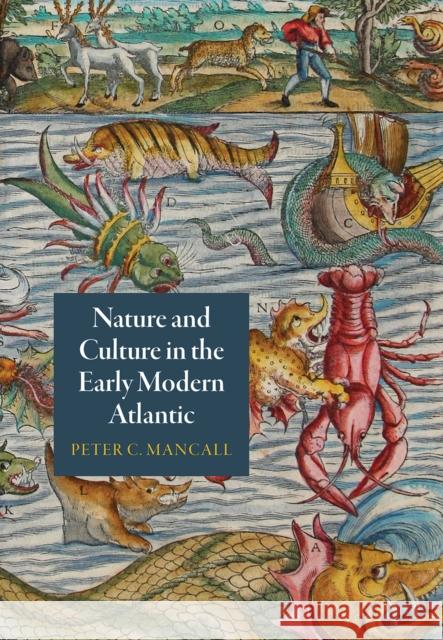
In the sixteenth-century Atlantic world, nature and culture swirled in people's minds to produce fantastic images. In the South of France, a cloister's painted wooden panels greeted parishioners with vivid depictions of unicorns, dragons, and centaurs, while Mayans in the Yucatan created openings to buildings that resembled a fierce animal's jaws, known to archaeologists as serpent-column portals.
In Nature and Culture in the Early Modern Atlantic, historian Peter C. Mancall reveals how Europeans and Native Americans thought about a natural world undergoing rapid change in the...
In the sixteenth-century Atlantic world, nature and culture swirled in people's minds to produce fantastic images. In the South of France, a cloist...