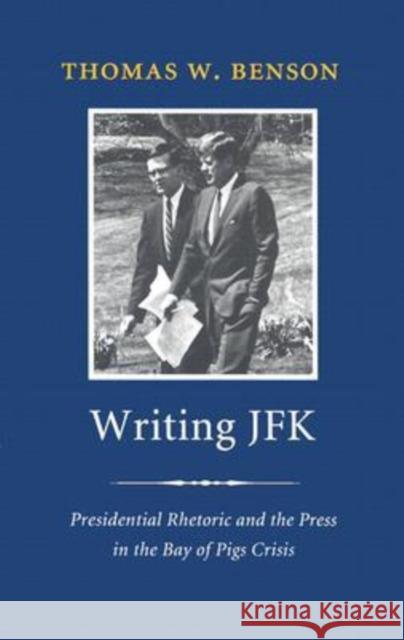
Following the dramatic Bay of Pigs fiasco in 1961, President John F. Kennedy moved to repair the damage the invasion had done to his image and to his relations with the press. Thomas W. Benson examines two speeches and a press conference held by JFK in the days after the crisis, shedding light on how the structures of speech writing influence the texts of the speeches and policy formation, as well as the ways the press mediates and even helps to formulate presidential rhetoric. "Writing JFK: Speechwriting and the Press in the ""Bay"" of ""Pigs Crisis" provides the full text of both...
Following the dramatic Bay of Pigs fiasco in 1961, President John F. Kennedy moved to repair the damage the invasion had done to his image and to his ...
This book is an anthology of landmark essays in rhetorical criticism. In historical usage, a landmark marks a path or a boundary; as a metaphor in social and intellectual history, landmark signifies some act or event that marks a significant achievement or turning point in the progress or decline of human effort. In the history of an academic discipline, the historically established senses of landmark are mixed together, jostling to set out and protect the turfmarkers of academic specialization; aligning footnotes to signify the beacons that have guided thought and, against these conservative...
This book is an anthology of landmark essays in rhetorical criticism. In historical usage, a landmark marks a path or a boundary; as a metaphor in soc...
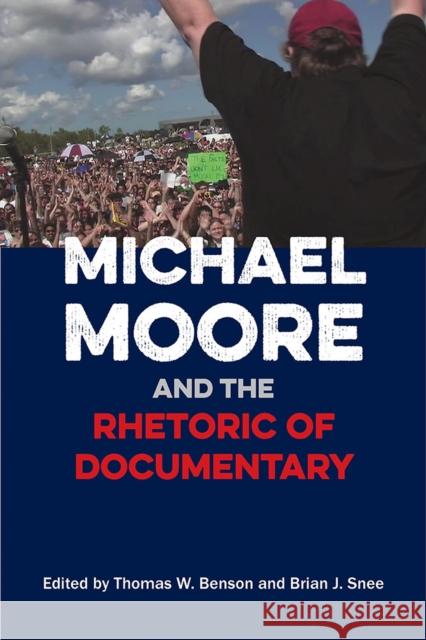
Not afraid to tackle provocative topics in American culture, from gun violence and labor policies to terrorism and health care, Michael Moore has earned both applause and invective in his career as a documentarian. In such polarizing films as "Bowling for Columbine," "Fahrenheit 9/11," and "Sicko," Moore has established a unique voice of radical nostalgia for progressivism, and in doing so has become one of the most recognized documentary filmmakers of all time.In the first in-depth study of Moore s feature-length documentary films, editors Thomas W. Benson and Brian J. Snee have gathered...
Not afraid to tackle provocative topics in American culture, from gun violence and labor policies to terrorism and health care, Michael Moore has earn...
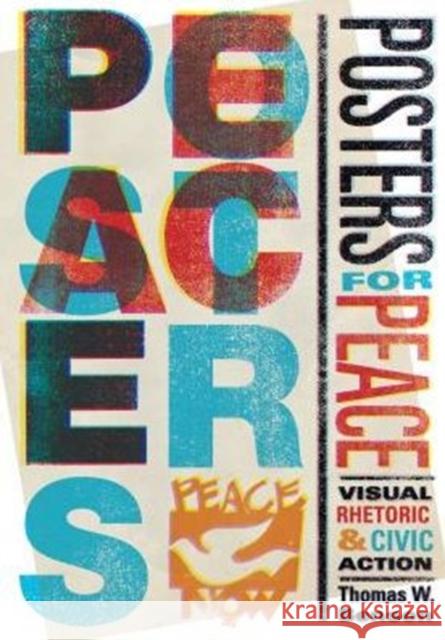
By the spring of 1970, Americans were frustrated by continuing war in Vietnam and turmoil in the inner cities. Students on American college campuses opposed the war in growing numbers and joined with other citizens in ever-larger public demonstrations against the war. Some politicians--including Ronald Reagan, Spiro Agnew, and Richard Nixon--exploited the situation to cultivate anger against students. At the University of California at Berkeley, student leaders devoted themselves, along with many sympathetic faculty, to studying the war and working for peace. A group of art students...
By the spring of 1970, Americans were frustrated by continuing war in Vietnam and turmoil in the inner cities. Students on American college campuse...