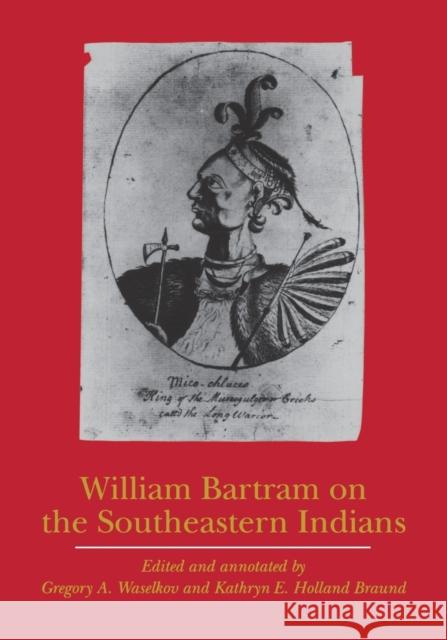
"In this splendid volume, editors Gregory A. Waselkov and Kathryn E. Holland Braund pull together from a variety of published and archival sources Bartram's observations on Southeastern Indians, particularly the Creeks, Seminoles, and Cherokees. . . . With this comprehensive compendium, the scope of Bartram's contributions to the fields of ethnohistory, anthropology, and historical archaeology can finally be understood."-Mississippi Quarterly "An exemplary work. . . . Waselkov and Braund have given scholars and fans of Bartram an invaluable source of his writing on the southeastern Indians...
"In this splendid volume, editors Gregory A. Waselkov and Kathryn E. Holland Braund pull together from a variety of published and archival sources Bar...
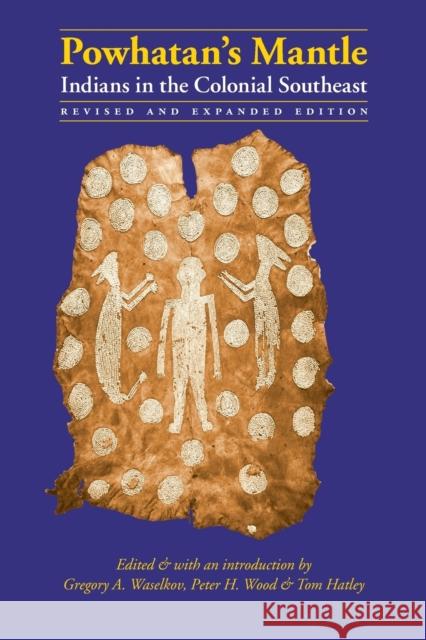
Considered a classic study of southeastern Indians, Powhatan s Mantle demonstrates how ethnohistory, demography, archaeology, anthropology, and cartography can be brought together in fresh and meaningful ways to illuminate life in the early South. In a series of provocative original essays, a dozen leading scholars show how diverse Native Americans interacted with newcomers from Europe and Africa during the three hundred years of dramatic change beginning in the early sixteenth century.
For this new and expanded edition, the original contributors have revisited their subjects to...
Considered a classic study of southeastern Indians, Powhatan s Mantle demonstrates how ethnohistory, demography, archaeology, anthropology, and...
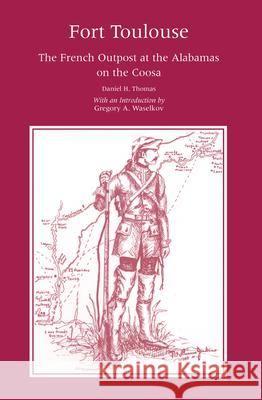
Situated at the head of the Alabama River system at the juncture of the Coosa and Tallapoosa rivers Fort Toulouse in 1717 was planned to keep the local Indians neutral, if not loyal, to the French and contain the British in their southernmost Atlantic colonies. Unlike the usual frontier settlements, Fort Toulouse was both a diplomatic post, since its officers acted as resident ministers, and a military post. Because it was located in a friendly territory adjoining an area under a rival (British) influence, the post participated in psychological warfare rather than in blood-letting. It used...
Situated at the head of the Alabama River system at the juncture of the Coosa and Tallapoosa rivers Fort Toulouse in 1717 was planned to keep the l...
Nationwide repercussions to a bloody battle on the southern frontier.The Fort Mims massacre changed the course of American history in many ways, not the least of which was the ensuing rise of one Andrew Jackson to the national stage. The unprecedented Indian victory over the encroaching Americans who were bent on taking their lands and destroying their culture horrified many and injured the young nation's pride. Tragedies such as this one have always rallied Americans to a common cause: a single-minded determination to destroy the enemy and avenge the fallen. The August 30,...
Nationwide repercussions to a bloody battle on the southern frontier.The Fort Mims massacre changed the course of American history in m...
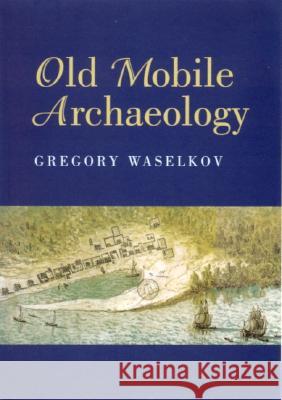
An archaeological guide to the earliest French settlement on the northern Gulf Coast. Archaeological excavations since 1989 have uncovered exciting evidence of the original townsite of Mobile, first capital of the Louisiana colony, and remnants of the colony's port on Dauphin Island.
"
An archaeological guide to the earliest French settlement on the northern Gulf Coast. Archaeological excavations since 1989 have uncovered exciting...
The Fort Mims massacre changed the course of American history in many ways, not the least of which was the ensuing rise of one Andrew Jackson to the national stage. The unprecedented Indian victory over the encroaching Americans who were bent on taking their lands and destroying their culture horrified many and injured the young nation's pride. Tragedies such as this one have always rallied Americans to a common cause: a single-minded determination to destroy the enemy and avenge the fallen. The August 30, 1813, massacre at Fort Mims, involving hundreds of dead men, women, and children, was...
The Fort Mims massacre changed the course of American history in many ways, not the least of which was the ensuing rise of one Andrew Jackson to the n...
Forging Southeastern Identities: Social Archaeology and Ethnohistory of the Mississippian to Early Historic South, a groundbreaking collection of ten essays, covers a broad expanse of time--from the ninth to the nineteenth centuries--and focuses on a common theme of identity. These essays represent the various methods used by esteemed scholars today to study how Native Americans in the distant past created new social identities when old ideas of the self were challenged by changes in circumstance or by historical contingencies. Archaeologists, anthropologists, and folklorists...
Forging Southeastern Identities: Social Archaeology and Ethnohistory of the Mississippian to Early Historic South, a groundbreaking collection ...