Oliver Jean Blanchard Kenneth A. Froot Jeffrey D. Sachs
When communism fell in 1989, the question for most Eastern European countries was not whether to go to a market economy, but how to get there. Several years later, the difficult process of privatization and restructuring continues to concern the countries of the region. "The Transition in Eastern Europe, Volumes 1 and 2" is an analysis of the experiences of various countries making the transition to market economies and examines the most important challenges still in store. "Volume 1, Country Studies, " gives an in-depth, country-by-country analysis of various reform experiences,...
When communism fell in 1989, the question for most Eastern European countries was not whether to go to a market economy, but how to get there. Several...
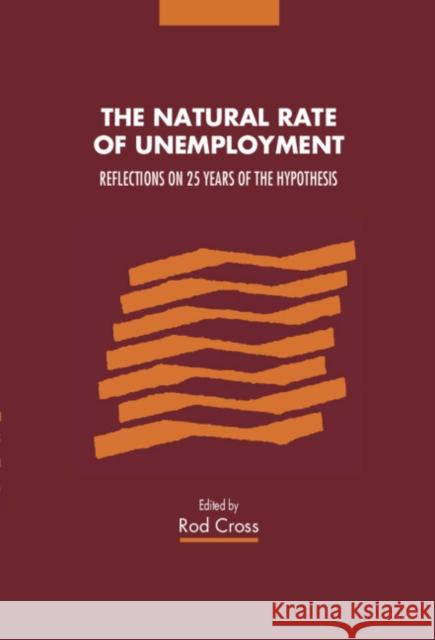
The natural rate of unemployment hypothesis proposed in the 1960s has dominated thought about the causes of, and possible solutions to, unemployment. It asserts that only supply-side measures can achieve sustainable reductions in unemployment. In the 1980s, however, European unemployment rates rose sharply, despite supply-side innovations to economic policy inspired by the hypothesis. These essays reflect retrospectively on the state of the hypothesis and look forward to the emergence of a new wisdom regarding unemployment.
The natural rate of unemployment hypothesis proposed in the 1960s has dominated thought about the causes of, and possible solutions to, unemployment. ...