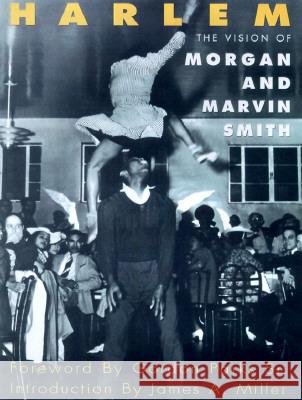
In 1933, Morgan and Marvin Smith, twin sons of sharecroppers from Kentucky, arrived in Harlem. Despite the hardships of the Great Depression, they found a flourishing arts community and quickly established their place as visual chroniclers of the life of the city. For thirty years, the Smiths used their cameras to record the achievements of blacks in the face of poverty and discrimination. Rejecting the focus on misery and hopelessness common to Harlem photographers of the time, they documented important "firsts" for the city's blacks (the first black policeman, the first black women...
In 1933, Morgan and Marvin Smith, twin sons of sharecroppers from Kentucky, arrived in Harlem. Despite the hardships of the Great Depression, they ...
Now at seventy-three volumes, this popular MLA series (ISSN 10591133) addresses a broad range of literary texts. Each volume surveys teaching aids and critical material and brings together essays that apply a variety of perspectives to teaching the text. Upper-level undergraduate and graduate students, student teachers, education specialists, and teachers in all humanities disciplines will find these volumes particularly helpful.
Now at seventy-three volumes, this popular MLA series (ISSN 10591133) addresses a broad range of literary texts. Each volume surveys teaching aids and...
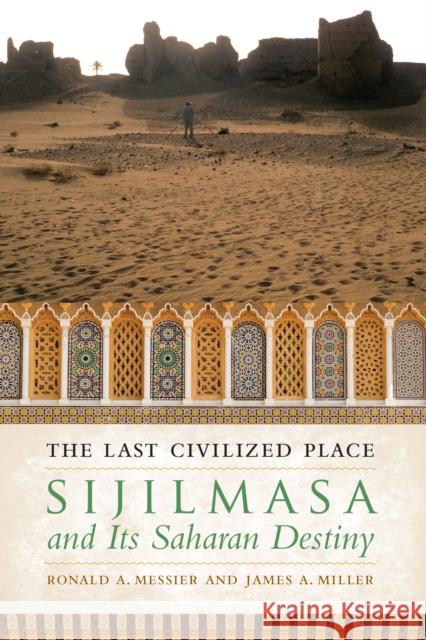
Set along the Sahara's edge, Sijilmasa was an African El Dorado, a legendary city of gold. But unlike El Dorado, Sijilmasa was a real city, the pivot in the gold trade between ancient Ghana and the Mediterranean world. Following its emergence as an independent city-state controlling a monopoly on gold during its first 250 years, Sijilmasa was incorporated into empire--Almoravid, Almohad, and onward--leading to the "last civilized place" becoming the cradle of today's Moroccan dynasty, the Alaouites. Sijilmasa's millennium of greatness ebbed with periods of war, renewal, and abandonment....
Set along the Sahara's edge, Sijilmasa was an African El Dorado, a legendary city of gold. But unlike El Dorado, Sijilmasa was a real city, the piv...