Based on the author s fieldwork among the people of Zezuru, this study focuses on children as clients and as healers in training. In Reynolds s ethnographic investigation of possession and healing, she pays particular attention to the way healers are identified and authenticated in communities, and how they are socialized in the use of medicinal plants, dreams, and ritual healing practices. Reynolds examines spiritual interpretation and remediation of children s problems, including women s roles in these activities, and the Zezuru concepts of trauma, evil, illness, and death. Because this...
Based on the author s fieldwork among the people of Zezuru, this study focuses on children as clients and as healers in training. In Reynolds s ethnog...
A thought provoking and entertaining book about the ongoing struggle between mothers-in-law and daughters-in-law as they strive to foster a harmonious relationship for the benefit of their son/spouse. The book offers interesting vignettes and brainstorming discussions to enrich the debate and promote communication. At the end of each chapter, questions are provided to guide the reader to reflect on their own relationships in order to broaden understanding and promote communication. The book highlights such issues as power struggles, gift giving, grand parenting, holidays, time commitments,...
A thought provoking and entertaining book about the ongoing struggle between mothers-in-law and daughters-in-law as they strive to foster a harmonious...
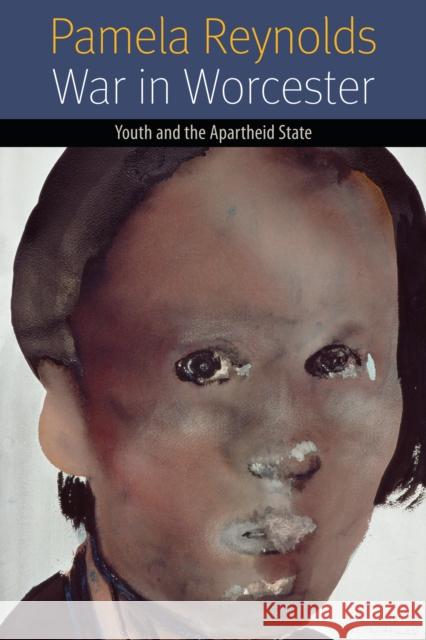
The South African government gave no quarter to young people who joined the struggle against the apartheid state; indeed, it targeted them. Security forces meted out cruel treatment to youth who rebelled, incarcerated even the very young under dreadful conditions, and used torture frequently, sometimes over long periods of time. Little is known, however, from the perspective of young fighters themselves about the efforts they made to sustain the momentum of struggle, how that affected and was affected by their other social bonds, and what they achieved in terms of growth and paid in terms of...
The South African government gave no quarter to young people who joined the struggle against the apartheid state; indeed, it targeted them. Security f...
The South African government gave no quarter to young people who joined the struggle against the apartheid state; indeed, it targeted them. Security forces meted out cruel treatment to youth who rebelled, incarcerated even the very young under dreadful conditions, and used torture frequently, sometimes over long periods of time. Little is known, however, from the perspective of young fighters themselves about the efforts they made to sustain the momentum of struggle, how that affected and was affected by their other social bonds, and what they achieved in terms of growth and paid in terms of...
The South African government gave no quarter to young people who joined the struggle against the apartheid state; indeed, it targeted them. Security f...