World's fairs and industrial expositions constituted a phenomenally successful popular culture movement during the nineteenth and twentieth centuries. In addition to the newest technological innovations, each exposition showcased commercial and cultural exhibits, entertainment concessions, national and corporate displays of wealth, and indigenous peoples from the colonial empires of the host country. As scientists claiming specialized knowledge about indigenous peoples, especially American Indians, anthropologists used expositions to promote their quest for professional status and authority....
World's fairs and industrial expositions constituted a phenomenally successful popular culture movement during the nineteenth and twentieth centuries....
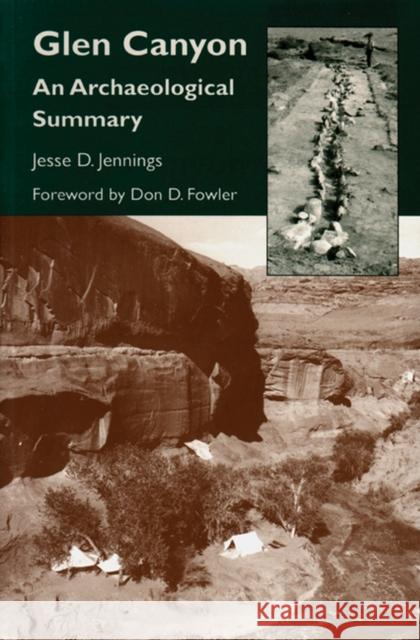
In 1956, Congress passed legislation that provided authorization and funds for emergency research to be conducted in Glen Canyon in response to the threat of losses posted by the construction of the Glen Canyon Dam in northern Arizona. For eight years, scientists worked against the clock to record the archaeology, geology, history, and paleontology of the region before the waters of Lake Powell covered the area.
In this highly interpretive summary, Jesse Jennings preserves the achievements of the salvage team and explains how the finds affected previous conclusions. Maps and...
In 1956, Congress passed legislation that provided authorization and funds for emergency research to be conducted in Glen Canyon in response to the...
Mesa Verde, Chaco Canyon, Canyon de Chelly, and Paquime are as well known to tourists as they are to scholars as emblems of the American Southwest. This region has been the scene of intense archaeological investigation for more than a hundred years, with more research done here than in any other part of the United States. The arid and sparsely populated landscape provides excellent site preservation, while the living native peoples give cultural continuity with the past. In the first decades of the twentieth century Americans saw the Southwest as exotic as opposed to the Mexican perspective,...
Mesa Verde, Chaco Canyon, Canyon de Chelly, and Paquime are as well known to tourists as they are to scholars as emblems of the American Southwest. Th...
Originally published in 1968, this classic work by renowned archaeologist Neil M. Judd is a compilation of recollections and memories of his extensive career in archaeology. The stories told are truly those of Men Met Along the Trail, of the archaeologists, Mormons, Indians, prospectors, ranchers, and settlers that Judd encountered in his lifelong travels and work throughout the southwestern United States and beyond. There are meetings with leading American archaeologists such as Dean Byron Cummings, W. H. Holmes, and Charles D. Wallace, and famous Southwestern figures including Cass Hite,...
Originally published in 1968, this classic work by renowned archaeologist Neil M. Judd is a compilation of recollections and memories of his extensive...
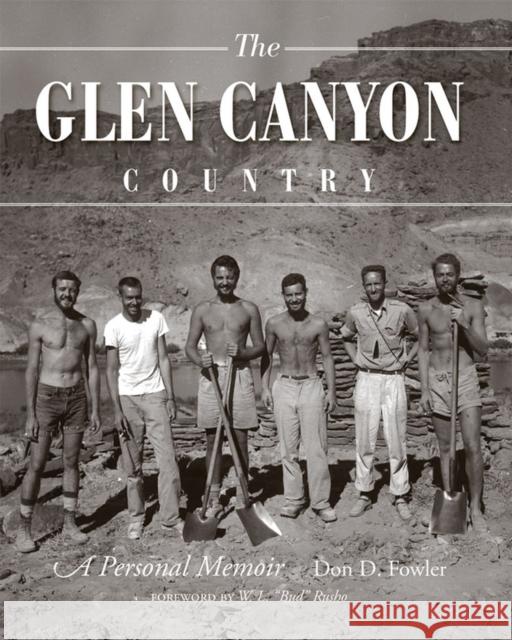
In his new book, "The Glen Canyon Country," archaeologist Don D. Fowler shares the history of a place and the peoples who sojourned there over the course of several thousand years. To tell this story, he weaves his personal experience as a student working on the Glen Canyon Salvage Project with accounts of early explorers, geologists, miners, railroad developers, settlers, river runners, and others who entered this magical place. The book details the canyon s story via historical and scientific summaries, biographical sketches, personal memoir, and previously unpublished photos of the land...
In his new book, "The Glen Canyon Country," archaeologist Don D. Fowler shares the history of a place and the peoples who sojourned there over the ...