"An exceptional book for popular consumption. . . . It is a wonderful synthesis, and will be avidly read by both professional archaeologists and the general public."--Marvin T. Smith, Valdosta State University
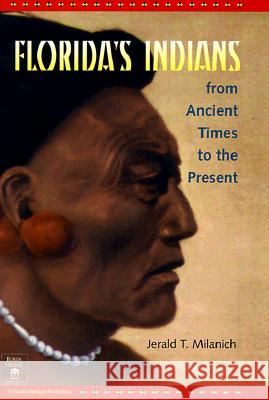
Florida's Indians tells the story of the native societies that have lived in Florida for twelve millennia, from the early hunters at the end of the Ice Age to the modern Seminole, Miccosukee, and Creeks. When the first Indians arrived in what is now Florida, they wrested their livelihood from a land far different from the modern countryside, one that was cooler,...
"An exceptional book for popular consumption. . . . It is a wonderful synthesis, and will be avidly read by both professional archaeologists and th...
Integrating archaeological and historical information, this text tells the story of the native Indian societies that have lived in Florida for twelve millennia, from the early hunters at the end of the Ice Age to the modern Seminole, Miccosukee and Creeks.
Integrating archaeological and historical information, this text tells the story of the native Indian societies that have lived in Florida for twelve ...
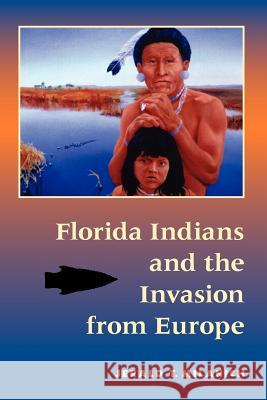
"An authoritative overview of the development of Florida's aboriginal peoples . . . blended with accounts of the European invasions and the dire consequences for the natives of their contacts with the newcomers. . . . Particularly valuable for its use of archaeological and historical data."--John H. Hann, San Luis Archaeological and Historic Site, Tallahassee "An exciting book that brings together for all of Florida the earliest historic records of indigenous peoples and Old World invaders alike, combining archaeology and history to reconstruct events and lifeways of ethnic groups so quickly...
"An authoritative overview of the development of Florida's aboriginal peoples . . . blended with accounts of the European invasions and the dire conse...
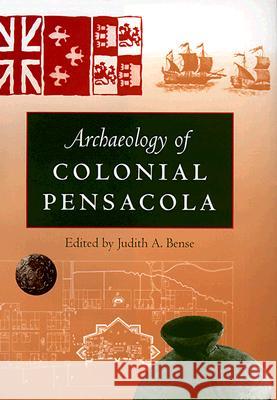
"Dr. Bense and her colleagues are resurrecting a lost community, the colonial predecessor of modern Pensacola, from the long-neglected archaeological remnants and archival documents of Spanish and British colonists."--Gregory A. Waselkov, University of South Alabama
"The wonderful rich history of Pensacola and West Florida has been kept under wraps much too long. Five outstanding historians and archaeologists present a vivid record of the life and times of Colonial Pensacola and its environs. It is a great history both for the professional and the general reader."--Samuel Proctor,...
"Dr. Bense and her colleagues are resurrecting a lost community, the colonial predecessor of modern Pensacola, from the long-neglected archaeologic...
Who are Florida s Seminole and Miccosukee Indians? Where did they come from? How and why are they different from one another, and what cultural and historical features do they share? Brent Weisman explores Seminole and Miccosukee culture through information provided by archaeology, ethnography, historical documents, and the words of the Indians themselves. He explains when and how their culture was formed and how it has withstood historical challenges and survives in the face of pressures from the modern world. Focusing on key elements of ceremony and history, Weisman examines the...
Who are Florida s Seminole and Miccosukee Indians? Where did they come from? How and why are they different from one another, and what cultural and hi...
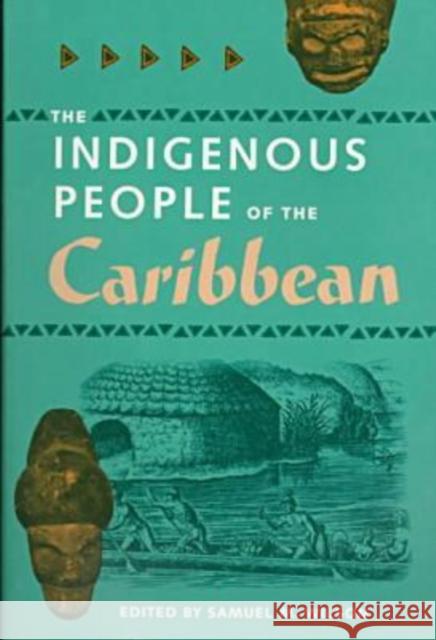
"A survey of the current state of study of indigenous Caribbean people by archaeologists, historians, and anthropologists. . . . Emphasizes that even though indigenous people were the victims of genocide, they helped to establish a persistent pattern of relations between other Caribbean settlers and their environment, and became central symbols of Caribbean identity and resistance to colonialism. . . . Strongly recommended for every library concerned with Caribbean and native American studies."-Choice "An excellent introduction to native peoples of the Caribbean region. . . . Will be...
"A survey of the current state of study of indigenous Caribbean people by archaeologists, historians, and anthropologists. . . . Emphasizes that even ...
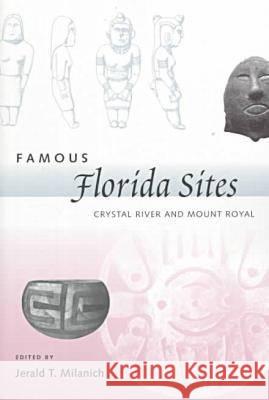
"Assembles a variety of hard-to-find articles on two important Florida sites. Milanich s introduction] provides an updated interpretation of the sites and a context for the classic articles." Elizabeth D. Benchley, University of West FloridaTwo of the most famous archaeological monuments in the southeastern United States excavated first a century ago--are in Florida. Both Crystal River (near the Gulf Coast in Citrus County) and Mount Royal (on the St. Johns River just north of Lake George) help shape our appreciation of precolumbian Native American cultures. This volume, written by some of...
"Assembles a variety of hard-to-find articles on two important Florida sites. Milanich s introduction] provides an updated interpretation of the site...
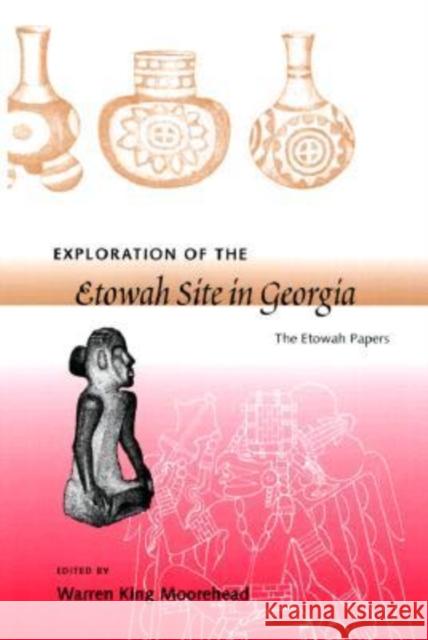
Spectacular discoveries at the Etowah site in Georgia changed the American perspective of the artistic achievements of prehistoric Native Americans. These papers, originally published in 1932, offer an understanding of American archaeology and the cultural heritage of prehistoric Native America.
Spectacular discoveries at the Etowah site in Georgia changed the American perspective of the artistic achievements of prehistoric Native Americans. T...
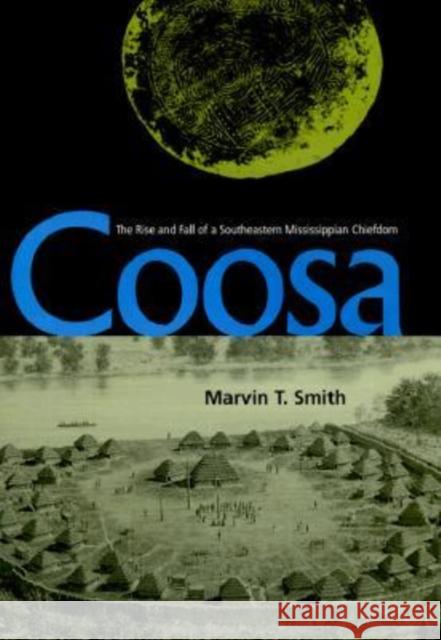
This work traces the rise and collapse of the chiefdom of Coosa, located in the Ridge and Valley province of northwestern Georgia and adjacent states. Coosa became one of the most important chiefdoms in the Southeast following contact with three Spanish expeditions in the 16th century.
This work traces the rise and collapse of the chiefdom of Coosa, located in the Ridge and Valley province of northwestern Georgia and adjacent states....
Kenneth E. Sassaman David G. Anderson Jerald T. Milanich
From the foreword: "With this important volume, the editors serve notice that old characterizations of the cultures of the Archaic period have been buried under the back dirt of new excavations and new interpretations. . . . It places the Archaic cultures squarely at the forefront of archaeological theory."
This volume summarizes our archaeological knowledge of natives who inhabited the American Southeast from 8,000 to 3,000 years ago and examines evidence of many of the native cultural expressions observed by early European explorers, including long-distance exchange, plant...
From the foreword: "With this important volume, the editors serve notice that old characterizations of the cultures of the Archaic period have ...