This is the first book to consider the Anglican church's response to the Nazi persecution and then murder of Europe's Jews. Acting as a critique of the historiography of the 'bystanders' to the Holocaust, it reveals a community that struggled to understand the depravity of Nazi anti-semitism. The author outlines Anglican attitudes to war, anti-semitism and many related issues, demonstrating the extent and the limits of the Church's engagement with European politics, and shows how Christian interpretations of Nazi persecution contributed to much wider assumptions about Germany and German...
This is the first book to consider the Anglican church's response to the Nazi persecution and then murder of Europe's Jews. Acting as a critique of th...
This book starts, by explaining briefly the origins of wind. It then proceeds to the normal forms of presentation for wind data, and explains how each is used in the appropriate analysis. The general aerodynamics of bluff bodies is explained in Chapter 2.Wind loading, wind environment, rain, ventilation, fire and effluent from chimneys are considered in the following chapters. Experimental methods are discussed in the penultimate chapter. Up to this point, theory and practice are discussed, and no design data are presented.Necessary statistics insofar as they concern the earlier chapter...
This book starts, by explaining briefly the origins of wind. It then proceeds to the normal forms of presentation for wind data, and explains how each...
This collection of essays considers the development of Holocaust memory in Australia since 1945. Bringing together the work of younger and more established scholars, the volume examines Holocaust memory in a variety of local and national contexts from both inside and outside of Australia's Jewish communities. The articles presented here emanate from a variety of different disciplinary perspectives, from history through literary, cultural and museum studies. This collection considers both the general development of Holocaust memory, engaging historically with particular moments when the Shoah...
This collection of essays considers the development of Holocaust memory in Australia since 1945. Bringing together the work of younger and more establ...
This collection of essays considers the development of Holocaust memory in Australia since 1945. Bringing together the work of younger and more established scholars, the volume examines Holocaust memory in a variety of local and national contexts from both inside and outside of Australia's Jewish communities. The articles presented here emanate from a variety of different disciplinary perspectives, from history through literary, cultural and museum studies. This collection considers both the general development of Holocaust memory, engaging historically with particular moments when the Shoah...
This collection of essays considers the development of Holocaust memory in Australia since 1945. Bringing together the work of younger and more establ...
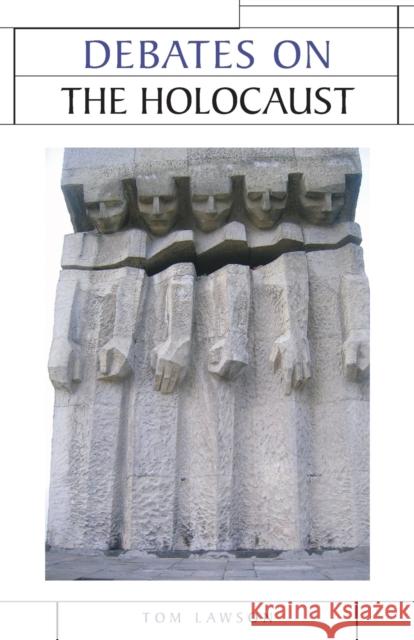
Debates on the Holocaust is the first attempt to survey the development of Holocaust historiography for a generation. It analyses the development of history writing on the destruction of the European Jews from just before the end of the Second World War to the present day, and argues forcefully that history writing is as much about the present as it is the past. The book guides the reader through the major debates in Holocaust historiography and shows how all of these controversies are as much products of their own time as they are attempts to uncover the past. Debates on the Holocaust...
Debates on the Holocaust is the first attempt to survey the development of Holocaust historiography for a generation. It analyses the development of h...
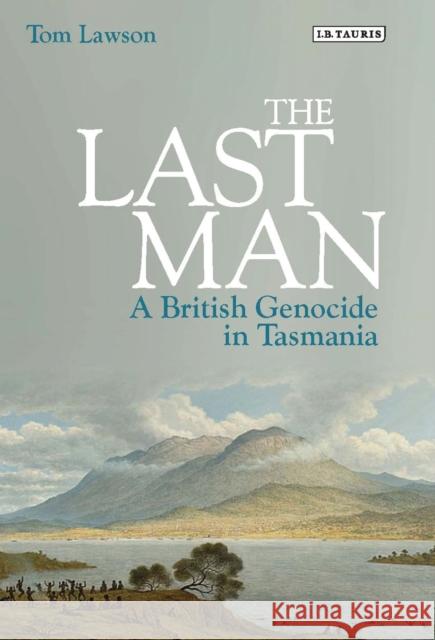
Little more than seventy years after the British settled Van Diemen's Land (later Tasmania) in 1803, its indigenous population had been virtually wiped out. Yet this genocide - one of the earliest of the modern era - is virtually forgotten in Britain today. The Last Man is the first book specifically to explore the role of the British government and wider society in the destruction of the Aboriginal Tasmanians. Although the introduction of European diseases undoubtedly contributed to the decline of the indigenous population, Tom Lawson shows that Britain supported what was effectively the...
Little more than seventy years after the British settled Van Diemen's Land (later Tasmania) in 1803, its indigenous population had been virtually wipe...