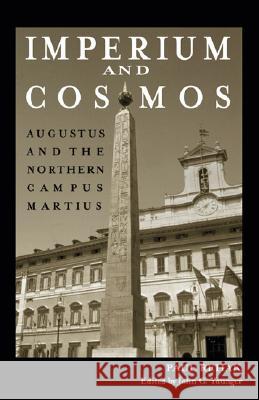
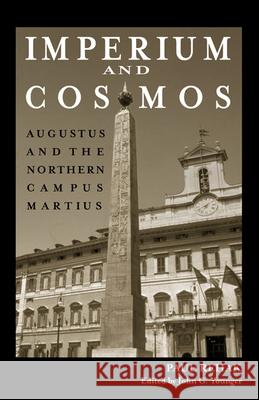
Caesar Augustus promoted a modest image of himself as the first among equals (princeps), a characterization that was as popular with the ancient Romans as it is with many scholars today. Paul Rehak argues against this impression of humility and suggests that, like the monarchs of the Hellenistic age, Augustus sought immortality an eternal glory gained through deliberate planning for his niche in history while flexing his existing power. Imperium and Cosmos focuses on Augustus s Mausoleum and Ustrinum (site of his cremation), the Horologium-Solarium (a colossal sundial), and the Ara...
Caesar Augustus promoted a modest image of himself as the first among equals (princeps), a characterization that was as popular with the ancient Roman...
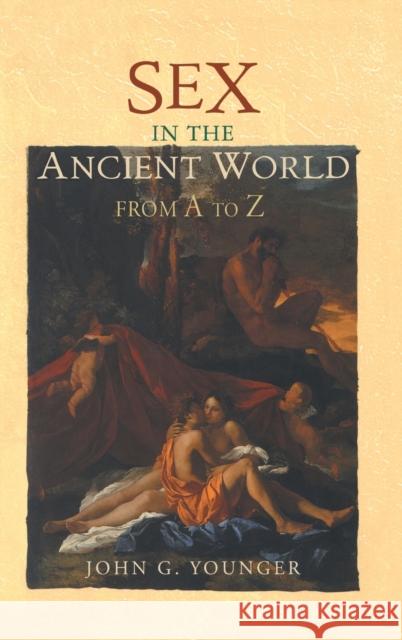
In this fascinating and revealing A-to-Z, John G. Younger examines the sexual practices, expressions and attitudes of the Greeks and Romans, from Catullus and Caligula, to orgies and obscenity, and from abstinence and incest, to pederasty and prostitution. The book opens with an overview of current thinking on ancient sex and sexuality, and goes on to provide an extraordinarily wide coverage of a sexual culture so very different from our own, approaching the subject from the perspectives of literature, history, archaeology and art. Comprehensive, reliable and eye-opening, this A-to-Z...
In this fascinating and revealing A-to-Z, John G. Younger examines the sexual practices, expressions and attitudes of the Greeks and Romans, from Catu...
Caesar Augustus promoted a modest image of himself as the first among equals, a characterisation that was popular with the ancient Romans. This work focuses on Augustus's Mausoleum and Ustrinum, the Horologium-Solarium, and the Ara Pacis. It also examines the artistic imagery on these monuments.
Caesar Augustus promoted a modest image of himself as the first among equals, a characterisation that was popular with the ancient Romans. This work f...