Native American Painting of the twentieth century has its origins in the decoration of prehistoric pottery, clothing, wood, and hide objects, and in pictographs and petroglyphs painted or inscribed on rocky hillsides. After Native contact with European Americans, Indian art absorbed influences from white culture, and the materials used for painting began to include papers, inks, pencils, and commercial pigments. The 484 paintings shown in this book, all from the collection of the Philbrook Museum of Art in Tulsa, Oklahoma, reflect many major influences on Indian art. From a ledger-style...
Native American Painting of the twentieth century has its origins in the decoration of prehistoric pottery, clothing, wood, and hide objects, and in p...
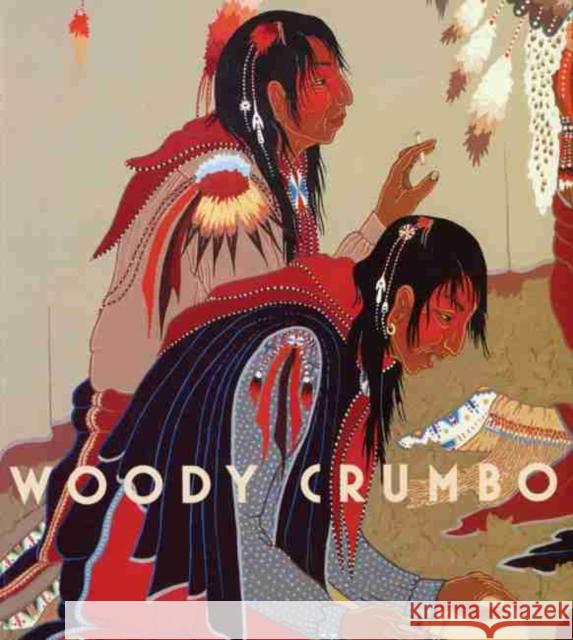
Woodrow Wilson Crumbo and the oilman Thomas Gilcrease met for the first time at the Mayo Hotel in Tulsa in 1945. Gilcrease would eventually persuade the young Crumbo to join him as artist-in-residence at the nascent Thomas Gilcrease Museum. Potawatomi, French, and German by birth, Crumbo was orphaned young and fostered within various Native traditions. His genius knew no tribal borders, but he supported and promoted Indian art and artists throughout his life, as an educator, director of art at Bacone College, consultant to Gilcrease, and early adopter of printmaking methods that expanded the...
Woodrow Wilson Crumbo and the oilman Thomas Gilcrease met for the first time at the Mayo Hotel in Tulsa in 1945. Gilcrease would eventually persuade t...