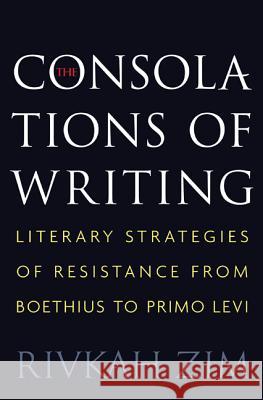
Boethius wrote The Consolation of Philosophy as a prisoner condemned to death for treason, circumstances that are reflected in the themes and concerns of its evocative poetry and dialogue between the prisoner and his mentor, Lady Philosophy. This classic philosophical statement of late antiquity has had an enduring influence on Western thought. It is also the earliest example of what Rivkah Zim identifies as a distinctive and vitally important medium of literary resistance: writing in captivity by prisoners of conscience and persecuted minorities.
The Consolations of...
Boethius wrote The Consolation of Philosophy as a prisoner condemned to death for treason, circumstances that are reflected in the themes an...