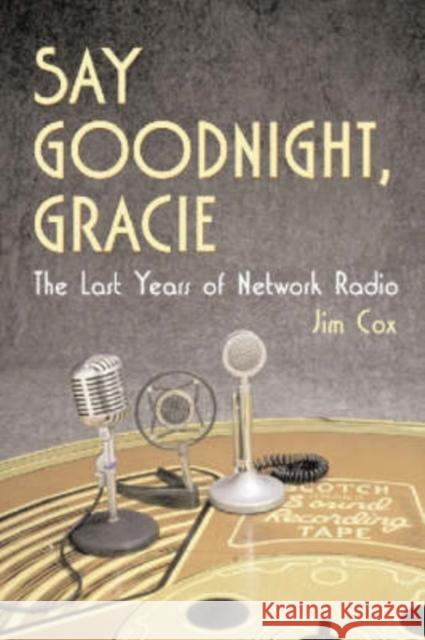
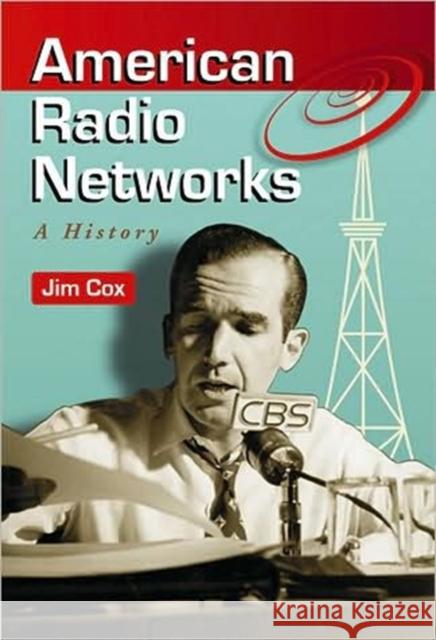
This work examines what could be called the final decade of AM network radio and the many factors that contributed to its decline. The first chapter is an overview of AM radio in the 1950s. The second chapter covers 1950 through 1953, when radio was still a popular medium but faced a need to make changes in its programing. Chapter three covers 1954 through 1956, three years in which radio experienced losses of its primary audience and some of its most popular shows. Chapter four, 1957 through 1960, chronicles the end of AM radio in homes, the cancellation of almost all remaining programs,...
This work examines what could be called the final decade of AM network radio and the many factors that contributed to its decline. The first chapter i...
Chronicling the fascinating private lives and professional dealings of broadcasting's most prolific creators-producers - Frank and Jane Hummerts, this biographical introspective provides a valuable insight into the golden age of radio.
Chronicling the fascinating private lives and professional dealings of broadcasting's most prolific creators-producers - Frank and Jane Hummerts, this...
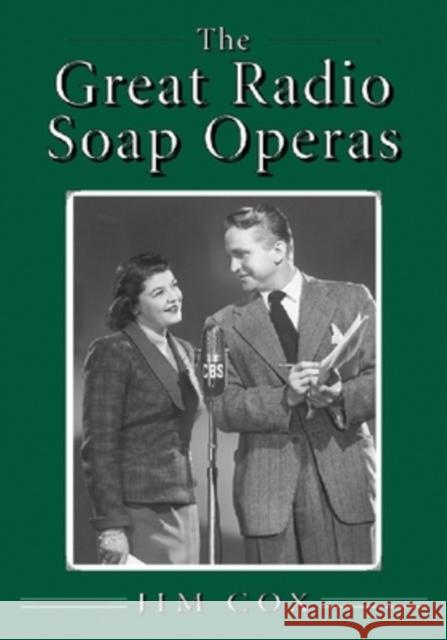
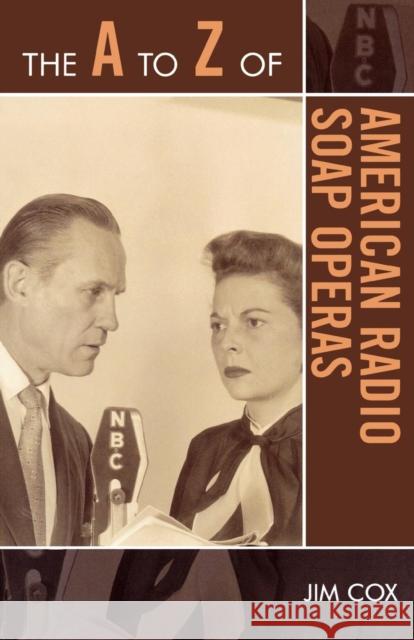
This reference work contains exhaustive histories of 31 of network radio's most durable soap operas on the air between 1930 and 1960. The soap operas covered are Aunt Jenny's Real Life Stories, Backstage Wife, Big Sister, The Brighter Day, David Harum, Front Page Farrell, The Guiding Light, Hilltop House, Just Plain Bill, Life Can Be Beautiful, The Light of the World, Lora Lawton, Lorenzo Jones, Ma Perkins, One Man's Family, Our Gal Sunday, Pepper Young's Family, Perry Mason, Portia Faces Life, The Right to Happiness, Road of Life, The Romance of Helen Trent, Rosemary, The Second Mrs. Burton,...
This reference work contains exhaustive histories of 31 of network radio's most durable soap operas on the air between 1930 and 1960. The soap operas ...
This volume offers a chronological overview of major events, decisions, personalities, and broadcast features that have significantly affected American network radio since its inception in the mid-1920s.
This volume offers a chronological overview of major events, decisions, personalities, and broadcast features that have significantly affected America...
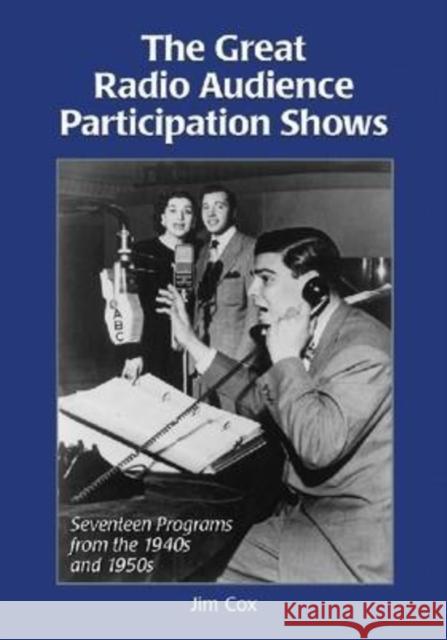
Contains the histories of 17 radio audience participation shows on the air during the 1940s and 1950s. This title provides biographical sketches for 177 figures who were connected to radio audience participation shows. It also includes: Arthur Godfrey's Talent Scouts, Art Linkletter's House Party, Break the Bank, and The Breakfast Club.
Contains the histories of 17 radio audience participation shows on the air during the 1940s and 1950s. This title provides biographical sketches for 1...
Covers over 300 radio mystery and adventure serials that aired in the US in the early or middle twentieth century. Each entry includes the name of the series, air dates, the sponsor, extant episodes, cast information (such as the directors, writers, composers, announcers, lead actors and supporting actors), and a brief synopsis.
Covers over 300 radio mystery and adventure serials that aired in the US in the early or middle twentieth century. Each entry includes the name of the...
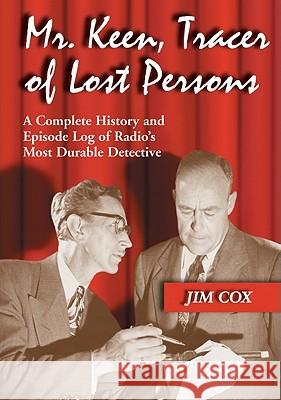
'Mr Keen, Tracer of the Lost Persons' sought missing and murdered individuals longer than any other fictional detective ever heard or seen on the air. This text presents a portrait of both the beloved character and the venerable dramatic series.
'Mr Keen, Tracer of the Lost Persons' sought missing and murdered individuals longer than any other fictional detective ever heard or seen on the air....
This book is a history of commercial broadcast radio networks in the United States from the 1920s to the present. It covers the four transcontinental webs that operated during the pre-television Golden Age, plus local and regional hookups, and the developments that have occurred in the decades since, including the impact of television, rise of the disc jockey, the rise of talk radio and other specialized formats, implications of satellite technology and consolidation of networks and local stations.
This book is a history of commercial broadcast radio networks in the United States from the 1920s to the present. It covers the four transcontinental ...
The period from 1925 to 1960 was the heyday of the American Radio Soap Opera. In addition to being part of popular culture, the soap opera had important commercial aspects as well that were not only related to their production, but also to the desperate need to sell products or perish. Both sides of this story are traced in this comprehensive compendium. The dictionary section, made up of more than 500 cross-referenced entries, provides brief vignettes of the more popular and also less well-known "soaps," among them Back Stage Wife, Our Gal Sunday, Pepper Young's Family and The Guiding Light....
The period from 1925 to 1960 was the heyday of the American Radio Soap Opera. In addition to being part of popular culture, the soap opera had importa...
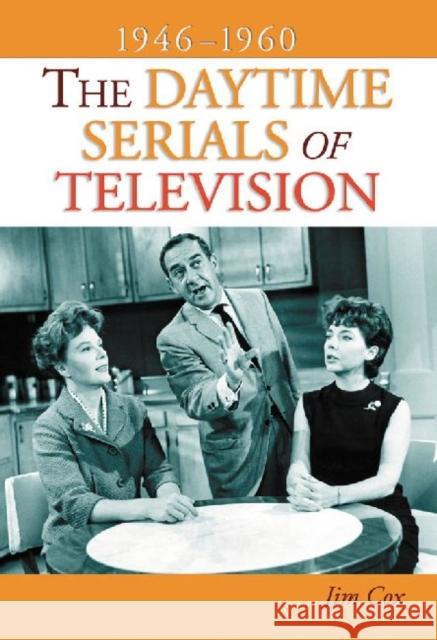
The popularity of soap operas on radio made them a natural for the new medium of television, where soaps quickly became an audience favorite. This history of television's 'golden age' soaps begins with an overview of earlier serialized entertainments that set the stage for the televised daytime soap.
The popularity of soap operas on radio made them a natural for the new medium of television, where soaps quickly became an audience favorite. This his...