Between 1609 and 1879, the geographical, political, and ideological status of the Kingdom of Ryukyu (modern Okinawa) was characterized by its ambiguity. It was subordinate to its larger neighbors, China and Japan, yet an integral part of neither. A Japanese invasion force from Satsuma had conquered the kingdom in 1609, resulting in its partial incorporation into Tokugawa Japan's bakuhan state. Given Ryukyu's long-standing ties with China and East Asian foreign relations following the rise of the Qing dynasty, however, the bakufu maintained only an indirect link with Ryukyu from the...
Between 1609 and 1879, the geographical, political, and ideological status of the Kingdom of Ryukyu (modern Okinawa) was characterized by its ambig...
What are we to make of contemporary newspapers in Japan speculating about the possible connection between aquatic creatures and earthquakes? Of a city council deciding to issue evacuation advice based on observed animal behavior? Why, between 1977 and 1993, did Japan's government spend taxpayer money to observe catfish in aquariums as part of its mandate to fund earthquake prediction research? All of these actions are direct legacies of the 1855 Ansei Edo earthquake, one of the major natural disasters of the period. In his investigation of the science, politics, and lore of seismic events...
What are we to make of contemporary newspapers in Japan speculating about the possible connection between aquatic creatures and earthquakes? Of a c...
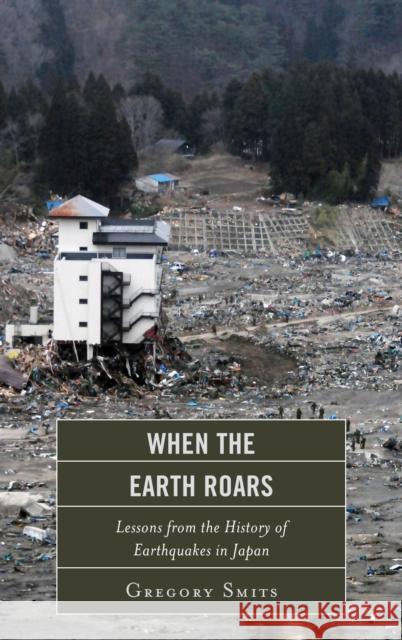
Japan, which is among the most earthquake-prone regions in the world, has a long history of responding to seismic disasters. However, despite advances in earthquake-related safety technologies, the destructiveness of the magnitude 9 class earthquake and tsunami that struck the country on 3/11 raised profound questions about how societies can deal effectively with seismic hazards. This important book places the devastating earthquake, tsunami, and nuclear meltdown disaster in historical perspective, examining conceptions of earthquakes since the seventeenth century, the diverse ways actual...
Japan, which is among the most earthquake-prone regions in the world, has a long history of responding to seismic disasters. However, despite advances...
Between 1609 and 1879, the geographical, political, and ideological status of the Kingdom of Ryukyu (modern Okinawa) was characterized by its ambiguity. In this innovative and provocative study, Gregory Smits explores early-modern perceptions of Ryukyu and their effect on its political culture and institutions.
Between 1609 and 1879, the geographical, political, and ideological status of the Kingdom of Ryukyu (modern Okinawa) was characterized by its ambiguit...