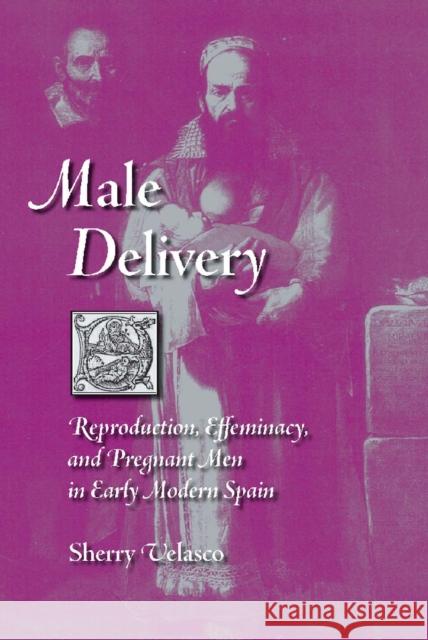
Using the one-act comedy El parto de Juan Rana (John Frog Gives Birth) as a point of departure, Velasco argues that the figure of the pregnant man in early modern Spanish culture was not merely comic entertainment, but also served an important role as a physical representation of the anxieties about the changing roles of men and women at the time.
Men were increasingly taking over medical duties--especially surrounding childbirth--usually left to women and, as their medical knowledge increased, they became aware of bodies and behaviors--both male and female--that transgressed...
Using the one-act comedy El parto de Juan Rana (John Frog Gives Birth) as a point of departure, Velasco argues that the figure of the pregnant ...
Using the one-act comedy El parto de Juan Rana (John Frog Gives Birth) as a point of departure, Velasco argues that the figure of the pregnant man in early modern Spanish culture was not merely comic entertainment, but also served an important role as a physical representation of the anxieties about the changing roles of men and women at the time.
Men were increasingly taking over medical duties--especially surrounding childbirth--usually left to women and, as their medical knowledge increased, they became aware of bodies and behaviors--both male and female--that transgressed...
Using the one-act comedy El parto de Juan Rana (John Frog Gives Birth) as a point of departure, Velasco argues that the figure of the pregnant ...
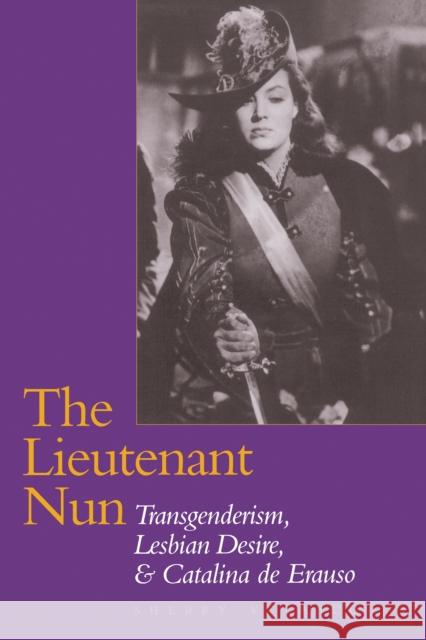
Catalina de Erauso (1592-1650) was a Basque noblewoman who, just before taking final vows to become a nun, escaped from the convent at San Sebastian, dressed as a man, and, in her own words, "went hither and thither, embarked, went into port, took to roving, slew, wounded, embezzled, and roamed about." Her long service fighting for the Spanish empire in Peru and Chile won her a soldier's pension and a papal dispensation to continue dressing in men's clothing.
This theoretically informed study analyzes the many ways in which the "Lieutenant Nun" has been constructed, interpreted,...
Catalina de Erauso (1592-1650) was a Basque noblewoman who, just before taking final vows to become a nun, escaped from the convent at San Sebastia...
In this first in-depth study of female homosexuality in the Spanish Empire for the period from 1500 to 1800, Velasco presents a multitude of riveting examples that reveal widespread contemporary interest in women's intimate relations with other women. Her sources include literary and historical texts featuring female homoeroticism, tracts on convent life, medical treatises, civil and Inquisitional cases, and dramas. She has also uncovered a number of revealing illustrations from the period. The women in these accounts, stories, and cases range from internationally famous transgendered...
In this first in-depth study of female homosexuality in the Spanish Empire for the period from 1500 to 1800, Velasco presents a multitude of riveting ...