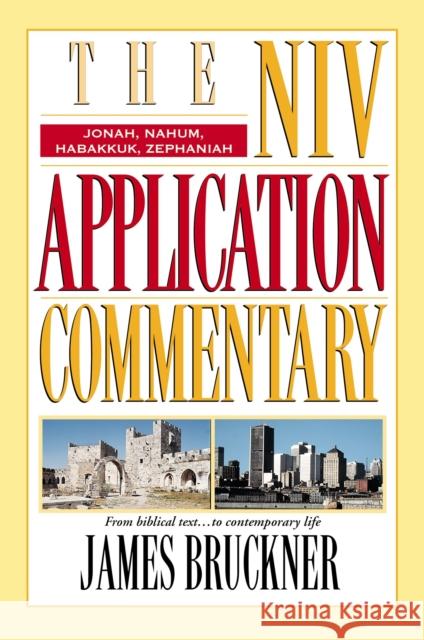
The prophetic books Jonah, Nahum, Habakkuk, and Zephaniah are brief but powerful. They comfort us with the assurance that, when nothing in this life makes sense, God is still in control. They toughen our faith in the face of the world's ugly realities. And they reveal the complexities of humans in relation to God. Jonah ran from his divine commission. Habakkuk questioned God concerning his ways. Repenting under Jonah's message, the city of Ninevah ultimately backslid and reaped the doom prophesied by Nahum. And Zephaniah's "remnant" depicts a faith that remains faithful. We needn't look too...
The prophetic books Jonah, Nahum, Habakkuk, and Zephaniah are brief but powerful. They comfort us with the assurance that, when nothing in this life m...
Most Bible commentaries take us on a one-way trip from the twentieth century to the first century. But they leave us there, assuming that we can somehow make the return journey on our own. In other words, they focus on the original meaning of the passage but don't discuss its contemporary application. The information they offer is valuable -- but the job is only half done The NIV Application Commentary Series helps us with both halves of the interpretive task. This new and unique series shows readers how to bring an ancient message into modern context. It explains not only what the Bible...
Most Bible commentaries take us on a one-way trip from the twentieth century to the first century. But they leave us there, assuming that we can so...
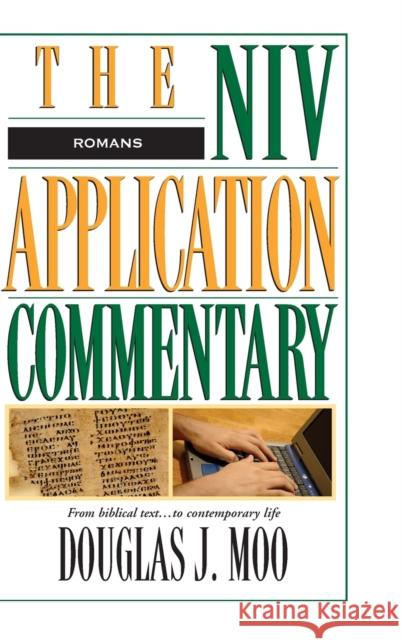
This book, part of the NIV Application Commentary Series, helps readers learn how the message of Romans can have the same powerful impact today that it did when it was first written.
This book, part of the NIV Application Commentary Series, helps readers learn how the message of Romans can have the same powerful impact today that i...
Victor Matthews Ben, III Witherington Bill T. Arnold
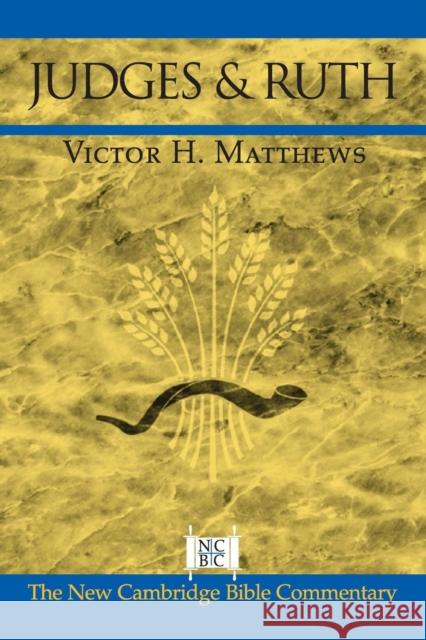
Bringing to life the world portrayed in the stories in Judges and Ruth, this commentary offers readers an "insider" perspective on the narratives. After establishing a cultural and literary context, Victor Matthews analyzes each episode separately and as a whole.
Bringing to life the world portrayed in the stories in Judges and Ruth, this commentary offers readers an "insider" perspective on the narratives. Aft...
This commentary views Exodus as a cultural document, preserving the collective memories of the Israelites and relating them to the major institutions and beliefs that emerged by the end of the time of the Hebrew Bible. It is intended to help the reader follow the story line of Exodus, understand its socio-cultural context, appreciate its literary features, recognize its major themes and values, and also note its interpretive and moral problems. Carol Meyers explains important concepts and terms as expressed in the Hebrew original so that those who know Hebrew as well as those who don't will...
This commentary views Exodus as a cultural document, preserving the collective memories of the Israelites and relating them to the major institutions ...
Victor Matthews Ben, III Witherington Bill T. Arnold
Bringing to life the world portrayed in the stories in Judges and Ruth, this commentary offers readers an "insider" perspective on the narratives. After establishing a cultural and literary context, Victor Matthews analyzes each episode separately and as a whole.
Bringing to life the world portrayed in the stories in Judges and Ruth, this commentary offers readers an "insider" perspective on the narratives. Aft...
This commentary views Exodus as a cultural document, preserving the collective memories of the Israelites and relating them to the major institutions and beliefs that emerged by the end of the time of the Hebrew Bible. It is intended to help the reader follow the story line of Exodus, understand its socio-cultural context, appreciate its literary features, recognize its major themes and values, and also note its interpretive and moral problems. Carol Meyers explains important concepts and terms as expressed in the Hebrew original so that those who know Hebrew as well as those who don't will...
This commentary views Exodus as a cultural document, preserving the collective memories of the Israelites and relating them to the major institutions ...
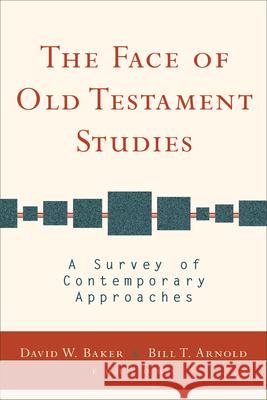
The Face of Old Testament Studies brings together leading scholars to provide an overview of current issues and debates in Old Testament studies. Contributors trace recent developments in their fields of expertise and assess where further research is needed. This is a substantial reference work for students and scholars of the Old Testament as well as for pastors and interested readers who want to bring their awareness of Old Testament studies up to date.
The Face of Old Testament Studies brings together leading scholars to provide an overview of current issues and debates in Old Testament studie...