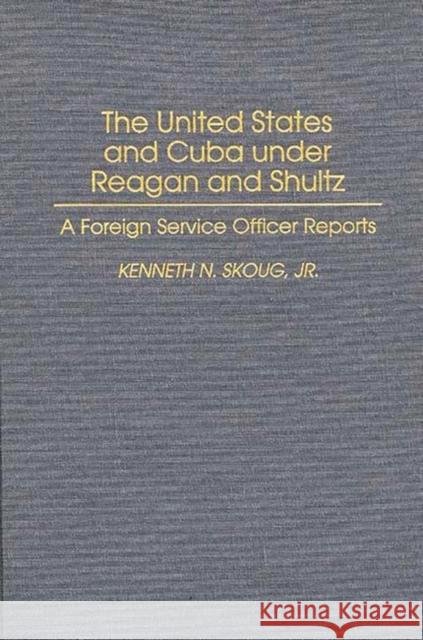
This book describes six years of conflict management, involving much confrontation and selective diplomacy, during which Cuba was put progressively on the defensive by political (surrogate radio broadcasting and human rights), economic (strengthening the embargo) and military (Grenada) actions. After an overview to mid-1982, the book covers the Reagan-Shultz era chronologically, discussing major bilateral issues and focusing on migration and radio broadcasting, two issues that Cuba linked in 1985. As Coordinator of Cuban Affairs for the U.S. Department of State from 1982-88, Skoug brings...
This book describes six years of conflict management, involving much confrontation and selective diplomacy, during which Cuba was put progressively...
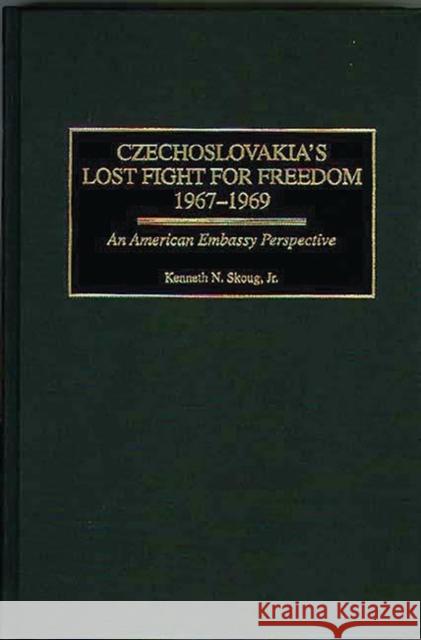
This fascinating account, by a Czech-speaking American diplomat who lived in Czechoslovakia from 1967-1969, describes the collapse of a repressive Communist regime, the subsequent unprecedented explosion of popular freedom, the surprise Soviet occupation, and the spirited passive resistance of the population until the gradual strangulation of the Prague Spring. Drawing on his own journal, recent memoirs, and documentary materials in the National Archives, the author shows how American diplomats and senior U.S. officials analyzed and reacted to ongoing events. He explains how reform leader...
This fascinating account, by a Czech-speaking American diplomat who lived in Czechoslovakia from 1967-1969, describes the collapse of a repressive ...