In 1837, Edwin M. Holt -- a thirty-year-old, fourth-generation North Carolinian -- established a small spinning mill on his family's land along the Haw River in rural Orange County. By his death in 1884, Holt's small spinning mill had come to dominate the textile industry in Alamance County -- which divided from Orange County in 1849 -- and gave the area an industrial legacy that would last for generations.
Covering the Holt dynasty from the founding of the Alamance Factory in 1837 to the strike of 1900 that eventually shut down most of the family's mills, Alamance provides an excellent...
In 1837, Edwin M. Holt -- a thirty-year-old, fourth-generation North Carolinian -- established a small spinning mill on his family's land along the...
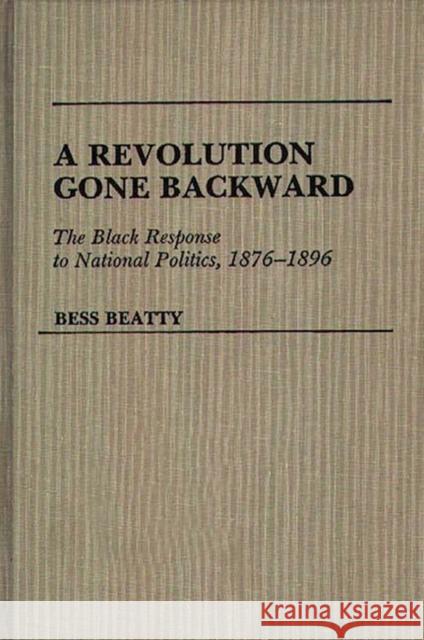
While newly liberated American blacks were relatively free to participate in the nation's political life during the decade following the Civil War, with the end of Reconstruction and the withdrawal of federal protection, constitutional guarantees quickly were curtailed. In this analysis of the beginnings of black political development, Beatty examines the aftermath of Reconstruction through the eyes of a people who found their rights, liberties, and hopes stalemated in a revolution gone backward.
While newly liberated American blacks were relatively free to participate in the nation's political life during the decade following the Civil War,...