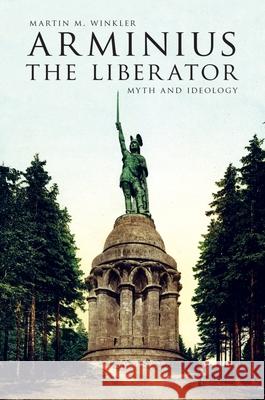
Arminius the Liberator deals with the complex modern reception of Arminius the Cheruscan, commonly called Hermann. Arminius inflicted one of their most devastating defeats on the Romans in the year 9 A.D. by annihilating three legions under the command of Quintilius Varus in the Battle of the Teutoburg Forest, as it is generally if inaccurately called. This book traces the origin of the Arminius myth in antiquity and its political, artistic, and popular developments since the nineteenth century. The book's central themes are the nationalist use and abuse of history and historical...
Arminius the Liberator deals with the complex modern reception of Arminius the Cheruscan, commonly called Hermann. Arminius inflicted one of ...
Martin M. Winkler argues for a new approach to various creative affinities between ancient verbal and modern visual narratives. He examines screen adaptations of classical epic, tragedy, comedy, myth, and history, exploring, for example, how ancient rhetorical principles regarding the emotions apply to moving images and how Aristotle's perspective on thrilling plot-turns can recur on screen. He also interprets several popular films, such as 300 and Nero, and analyzes works by international directors, among them Pier Paolo Pasolini (Oedipus Rex, Medea), Jean Cocteau (The Testament of Orpheus),...
Martin M. Winkler argues for a new approach to various creative affinities between ancient verbal and modern visual narratives. He examines screen ada...