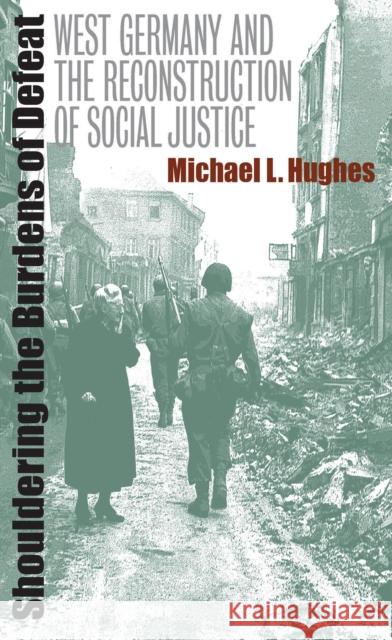
World War II and its aftermath brought devastating material losses to millions of West Germans. Military action destroyed homes, businesses, and personal possessions; East European governments expelled 15 million ethnic Germans from their ancestral homes; and currency reform virtually wiped out many Germans' hard-earned savings. These "war damaged" individuals, well over one-third of the West German population, vehemently demanded compensation at the expense of those who had not suffered losses, to be financed through capital levies on surviving private property.
Michael Hughes...
World War II and its aftermath brought devastating material losses to millions of West Germans. Military action destroyed homes, businesses, and perso...
Contributing to the debate about the nature of politics in Weimar Germany, this study supports scholarship emphasizing that inept attempts to solve the intractable problems of stabilization contributed substantially to Weimar's decline, and it illuminates how conservative attempts to manipulate popular discontent left many Germans open to Nazi appeals. Hughes illustrates the problems arising in the aftermath of inflation and shows how these contributed to the overwhelming economic constraints Germany faced by the late 1920s.
Originally published in 1988.
A UNC Press...
Contributing to the debate about the nature of politics in Weimar Germany, this study supports scholarship emphasizing that inept attempts to solve th...