One of the most exciting recent developments in the study of Chinese literature has been the rediscovery of an extremely rich and diverse tradition of women's writing of the imperial period (221 B.C.E.-1911 C.E.). Many of these writings are of considerable literary quality. Others provide us with moving insights into the lives and feelings of a surprisingly diverse group of women living in Confucian China, a society that perhaps more than any other is known for its patriarchal tradition.
Because of the burgeoning interest in the study of both premodern and modern women in China,...
One of the most exciting recent developments in the study of Chinese literature has been the rediscovery of an extremely rich and diverse tradition...
The seventeenth century is generally acknowledged as one of the most politically tumultuous but culturally creative periods of late imperial Chinese history. Scholars have noted the profound effect on, and literary responses to, the fall of the Ming on the male literati elite. Also of great interest is the remarkable emergence beginning in the late Ming of educated women as readers and, more importantly, writers. Only recently beginning to be explored, however, are such seventeenth-century religious phenomena as the reinvention of Chan Buddhism--a concerted effort to revive what were...
The seventeenth century is generally acknowledged as one of the most politically tumultuous but culturally creative periods of late imperial Chines...
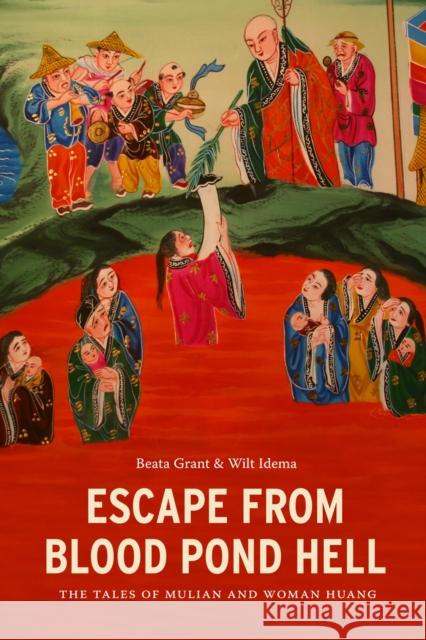
These translations of The Precious Scroll of the Three Lives of Mulian and Woman Huang Recites the Diamond Sutra are late-nineteenth-century examples of baojuan (literally, "precious scrolls"), a Chinese folk genre featuring alternating verse and prose that was used by monks to illustrate religious precepts for lay listeners. They represent only two of numerous versions, composed in a variety of genres, of these legends, which were once popular all over China. While the seeds of the Mulian legend, in which a man rescues his mother from hell, can be found in Indian Buddhist...
These translations of The Precious Scroll of the Three Lives of Mulian and Woman Huang Recites the Diamond Sutra are late-nineteenth-...