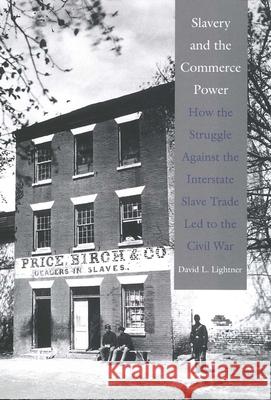
Despite the United States' ban on slave importation in 1808, profitable interstate slave trading continued. The nineteenth century's great cotton boom required vast human labor to bring new lands under cultivation, and many thousands of slaves were torn from their families and sold across state lines in distant markets. Shocked by the cruelty and extent of this practice, abolitionists called upon the federal government to exercise its constitutional authority over interstate commerce and outlaw the interstate selling of slaves. This groundbreaking book is the first to tell the complex story...
Despite the United States' ban on slave importation in 1808, profitable interstate slave trading continued. The nineteenth century's great cotton boom...
This illustrated collection of annotated newspaper articles and memorials by Dorothea Dix provides a forum for the great mid-nineteenth-century humanitarian and reformer to speak for herself.
Dorothea Lynde Dix (180287) was perhaps the most famous and admired woman in America for much of the nineteenth century. Beginning in the early 1840s, she launched a personal crusade to persuade the various states to provide humane care and effective treatment for the mentally ill by funding specialized hospitals for that purpose. The appalling conditions endured by most mentally ill inmates in...
This illustrated collection of annotated newspaper articles and memorials by Dorothea Dix provides a forum for the great mid-nineteenth-century hum...