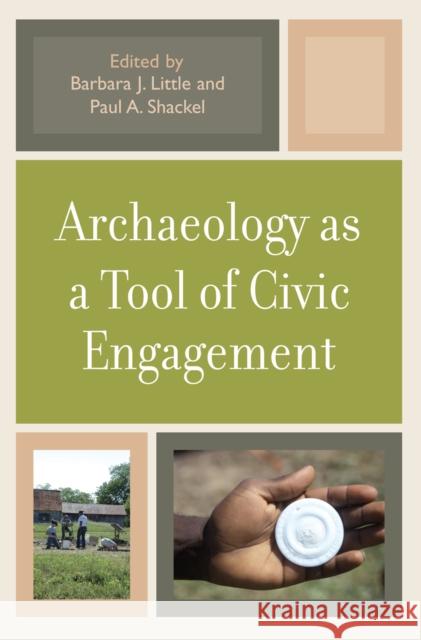
Little and Shackel use case studies from different regions across the world to challenge archaeologists to create an ethical public archaeology that is concerned not just with the management of cultural resources, but with social justice and civic responsibility.
Little and Shackel use case studies from different regions across the world to challenge archaeologists to create an ethical public archaeology that i...
Little brings together an unprecedented mix of authors from all aspects of the profession, as well as several non-archaeologists, who address the broad range of contributions that archaeology makes beyond research. Their discussion confronts the issue of exactly who the public is and why it should care about archaeology at all. These authors prove, in exploring diverse cross-sections of the public, that archaeology plays a crucial role in providing an authentic past, opportunities for critical thinking, and multicultural education. The electic nature of the collection allows for a thorough...
Little brings together an unprecedented mix of authors from all aspects of the profession, as well as several non-archaeologists, who address the broa...
These essays urge archaeologists to reexamine and to change their basic assumptions about how we assign value to cultural places and, beyond that, how we should understand and manage our heritage throughout much of the world. At the heart of the complex field of cultural resource management is the work archaeologists do to determine the significance of a particular site. On a daily basis, they often face the question of what should be protected for future generations, salvaged in the face of impending destruction, or allowed to be destroyed without record. Frequently, their assessments are at...
These essays urge archaeologists to reexamine and to change their basic assumptions about how we assign value to cultural places and, beyond that, how...
Little brings together an unprecedented mix of authors from all aspects of the profession, as well as several non-archaeologists, who address the broad range of contributions that archaeology makes beyond research. Their discussion confronts the issue of exactly who the public is and why it should care about archaeology at all. These authors prove, in exploring diverse cross-sections of the public, that archaeology plays a crucial role in providing an authentic past, opportunities for critical thinking, and multicultural education. The eclectic nature of the collection allows for a thorough...
Little brings together an unprecedented mix of authors from all aspects of the profession, as well as several non-archaeologists, who address the broa...
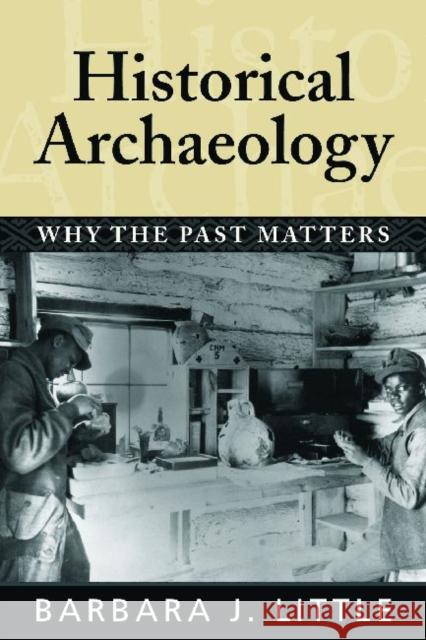
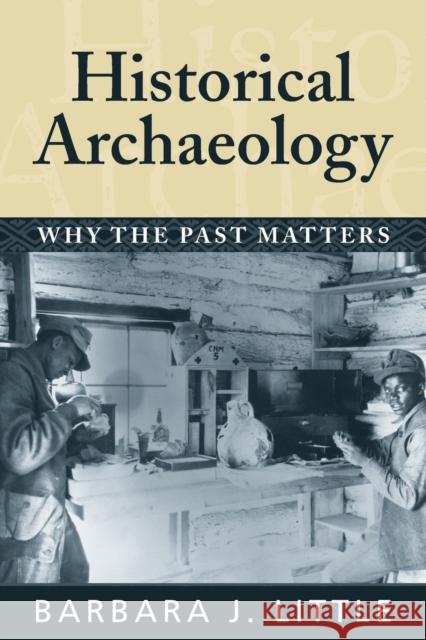
What is historical archaeology and why is it important? Well-known archaeologist Barbara Little addresses these key questions for introductory students in this concise, inexpensive, and well-written text. Little covers the goals of historical archaeological work, the kinds of questions it asks, and the ethical and political concerns it raises. She shows what historical archaeology can provide that neither of its parent disciplines can offer alone. Little offers brief snapshots of key American sites: Jamestown, Mission San Luis, West Oakland, the African American Burial Ground, and the Garbage...
What is historical archaeology and why is it important? Well-known archaeologist Barbara Little addresses these key questions for introductory student...
What is historical archaeology and why is it important? Well-known archaeologist Barbara Little addresses these key questions for introductory students in this concise, inexpensive, and well-written text. Little covers the goals of historical archaeological work, the kinds of questions it asks, and the ethical and political concerns it raises. She shows what historical archaeology can provide that neither of its parent disciplines can offer alone. Little offers brief snapshots of key American sites: Jamestown, Mission San Luis, West Oakland, the African American Burial Ground, and the Garbage...
What is historical archaeology and why is it important? Well-known archaeologist Barbara Little addresses these key questions for introductory student...
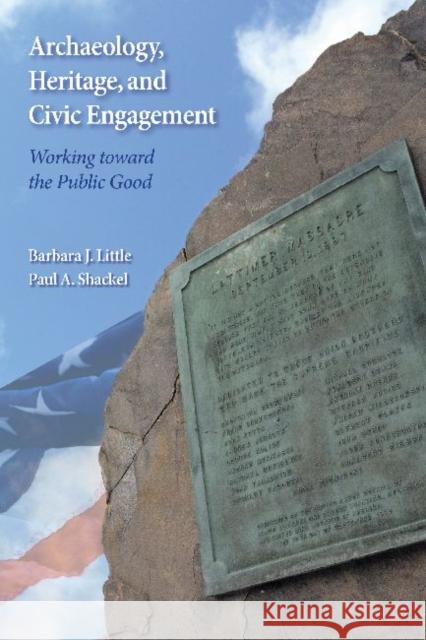
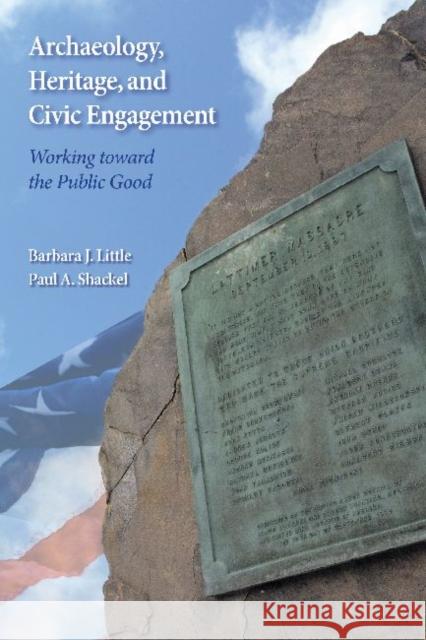
The definition of "public archaeology" has expanded in recent years to include archaeologists' collaborations with and within communities and activities in support of education, civic renewal, peacebuilding, and social justice. Barbara Little and Paul Shackel, long-term leaders in the growth of a civically-engaged, relevant archaeology, outline a future trajectory for the field in this concise, thoughtful volume. Drawing from the archaeological study of race and labor, among other examples, the authors explore this crucial opportunity and responsibility, then point the way for the discipline...
The definition of "public archaeology" has expanded in recent years to include archaeologists' collaborations with and within communities and activiti...
The definition of "public archaeology" has expanded in recent years to include archaeologists' collaborations with and within communities and activities in support of education, civic renewal, peacebuilding, and social justice. Barbara Little and Paul Shackel, long-term leaders in the growth of a civically-engaged, relevant archaeology, outline a future trajectory for the field in this concise, thoughtful volume. Drawing from the archaeological study of race and labor, among other examples, the authors explore this crucial opportunity and responsibility, then point the way for the discipline...
The definition of "public archaeology" has expanded in recent years to include archaeologists' collaborations with and within communities and activiti...
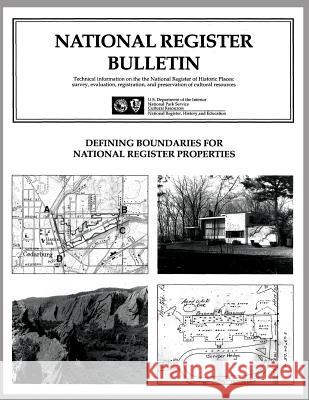
This bulletin is designed to help preparers properly select, define, and document boundaries for National Register listings and determinations of eligibility.
This bulletin is designed to help preparers properly select, define, and document boundaries for National Register listings and determinations of elig...